Bird Control NYC service page
Vent Bird Proofing NYC
Birds can enter or nest in kitchen vents, bathroom vents, dryer vents, exhaust openings, louvers, AC sleeves, and exterior wall gaps when covers are missing, loose, damaged, or easy to push open.
Kitchen Range Hood Vents
Kitchen range hood vents and exhaust openings can attract birds when the exterior flap, grille, or cover is missing or damaged. Nesting material can restrict ventilation and create odor, noise, and sanitation concerns.
Bird Control NYC inspects the exterior vent and recommends a protective cover or exclusion approach that keeps the opening functional.
Bathroom Vents
Bathroom exhaust vents can become nesting pockets when the outside cover does not close properly. Birds may enter, build material inside the duct opening, and create repeated activity around the same wall penetration.
We inspect the cover, opening, surrounding facade, and access conditions before recommending protection.
Dryer Vents
Dryer vents should never be blocked by nesting material. If birds are entering a dryer vent, the opening should be inspected and protected with a vent cover that does not restrict airflow.
The goal is to stop re-entry while keeping the vent functioning properly.
Louvers, AC Sleeves, and Exterior Openings
Birds also use louvers, AC sleeves, wall gaps, soffit openings, roofline penetrations, and small exterior gaps. These openings may look minor from the ground but can provide enough shelter for nesting.
- Kitchen vents
- Bathroom vents
- Dryer vents
- Exterior louvers
- AC sleeves and wall openings
- Soffits and roofline gaps
Why Vent Bird Proofing Has To Be Practical
Vent protection has to stop birds without creating a new building problem. A dryer vent still needs proper airflow. A kitchen exhaust opening still needs to exhaust. A bathroom vent still needs to move moisture. That is why we look at the vent type, cover style, opening size, exterior access, and whether the existing cover is missing, loose, broken, or simply easy for birds to push open.
In many NYC buildings, the vent is high on a facade, tucked behind an AC sleeve, above a terrace, near a fire escape, or positioned where ladder access is limited. The right approach depends on access and the condition of the exterior wall, not just the vent cover itself.
What We Look For During The Inspection
Bird Control NYC checks for visible nesting material, loose covers, broken flaps, open louvers, gaps around the sleeve, droppings below the opening, bird traffic into the vent, and signs that the same opening has been used repeatedly.
Where nesting material is present, we explain what can be removed, what must be handled carefully, and whether active nesting rules affect timing. Once the opening is ready, we recommend screening, a proper vent guard, hardware cloth, exclusion material, sealant, or repair coordination based on the condition.
How we evaluate the work
Inspection comes before product choice.
Bird control works best when the product matches the surface, the bird species, the pressure level, and the access conditions. A parapet with heavy pigeon loafing does not need the same plan as a bathroom vent with sparrow entry, a terrace with light landing pressure, or a warehouse beam above a loading dock.
Bird Control NYC looks at the real building condition first: where birds are landing, where droppings are collecting, where nesting material is forming, what openings exist, how people use the space, and whether the area needs to remain accessible for residents, tenants, workers, customers, or building staff.
That inspection helps us recommend a practical method instead of forcing one product everywhere. Depending on the site, the right plan may include exclusion, bird netting, spikes, shock track, gel deterrents, vent covers, screening, solar panel guards, cleanup, disinfection, or a combination of systems.
We focus on humane deterrents and exclusion methods. Active nests, eggs, and young birds must be handled properly and in accordance with applicable wildlife rules, so timing and conditions matter.
Photos Help Us Start Faster
If you are not sure what product or service is needed, send photos first. Wide shots help us understand the building, access, and height. Close-up photos help us see droppings, nesting material, ledges, vents, gaps, solar panel edges, signs, parapets, or other surfaces birds are using.
Helpful photos include the affected area, the surrounding wall or roofline, any visible openings, and where the bird activity is happening repeatedly. For managed buildings, include the borough, floor or roof access notes, and whether a certificate of insurance may be needed.
NYC Properties We Help
Bird Control NYC works with homeowners, renters, landlords, supers, co-op boards, condo boards, property managers, restaurants, warehouses, storefronts, mixed-use buildings, commercial properties, and nearby New Jersey properties when the project fits our bird deterrent and exclusion work.
Common sites include rooftops, parapets, facades, terraces, balconies, fire escapes, bulkheads, storefront signs, loading docks, roofline gaps, vents, louvers, AC sleeves, solar panel arrays, courtyards, and exterior openings.
Questions
Vent Bird Proofing NYC FAQ
Can I send photos before scheduling?
Yes. Photos are often the fastest way to understand the surface, opening, bird pressure, access condition, and likely next step. Send a wide photo and a close-up to quotes@birdcontrolnyc.com.
Do you handle residential and commercial properties?
Yes. We help homeowners, renters, landlords, supers, property managers, co-ops, condos, restaurants, warehouses, storefronts, and commercial buildings across NYC.
Will one product solve every bird problem?
No. The right method depends on the bird species, pressure level, surface, access, building use, and whether birds are landing, nesting, entering, or creating droppings in the area.
Do you use humane methods?
Yes. Our work focuses on humane deterrents, exclusion, netting, screening, surface protection, and prevention methods that reduce the usefulness of the area to birds.
Related services
Bird deterrent, exclusion, and cleanup services that often connect to this work.
Talk with Bird Control NYC
If pigeons, sparrows, starlings, or other nuisance birds are using part of your building, contact Bird Control NYC for a practical inspection and deterrent plan.
Call (646) 814-4243, email info@birdcontrolnyc.com, or send photos to quotes@birdcontrolnyc.com.
Vent and Opening Work
Bird Nesting Prevention for Vents, Louvers, AC Areas, and Exterior Openings
Birds often use small protected openings that are hard to see from the ground. We inspect the entry point, remove nesting material where legally appropriate, and install vent covers, screening, or exclusion materials when conditions allow.
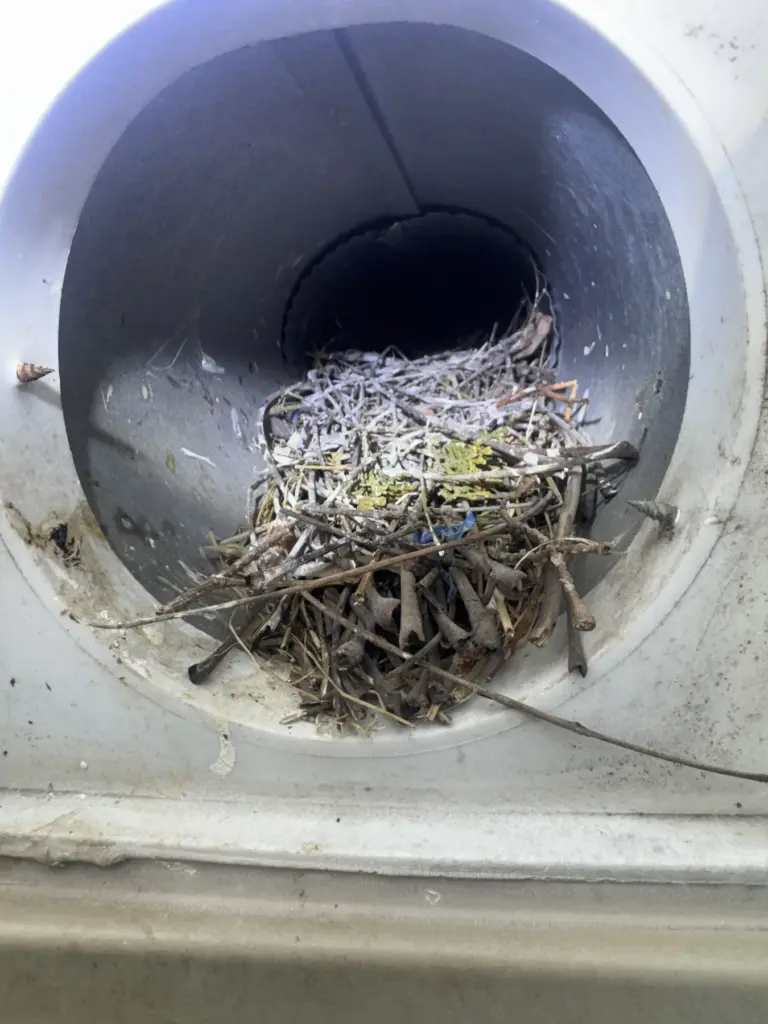
Nesting Inside a Vent
Nest material inside an exterior vent can restrict airflow and cause repeated bird activity.
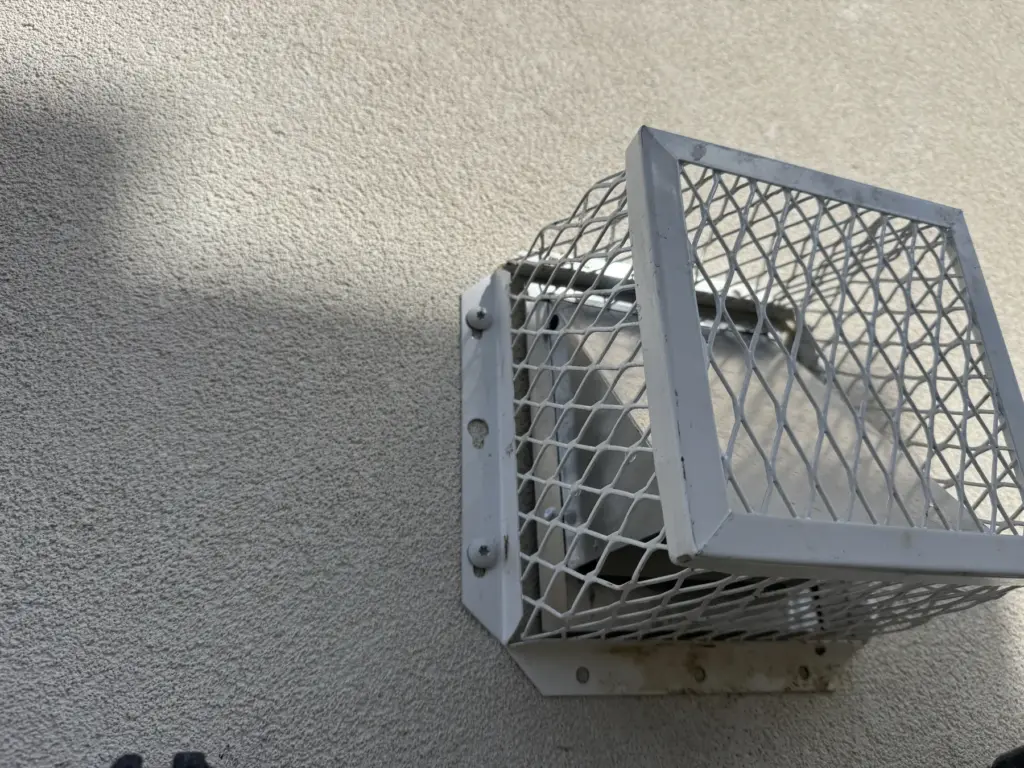
Exterior Vent Guard
A fitted guard helps protect the opening while keeping proper ventilation in mind.
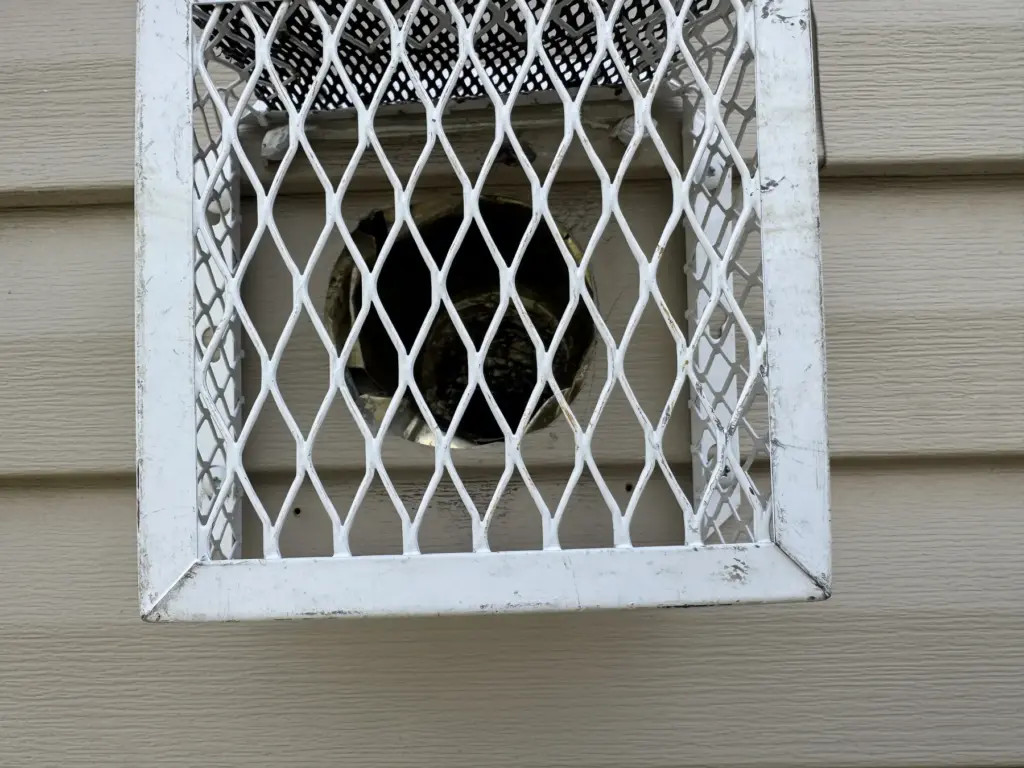
Louver Screening
Louvers and exterior openings may need screening when birds are entering or nesting behind them.
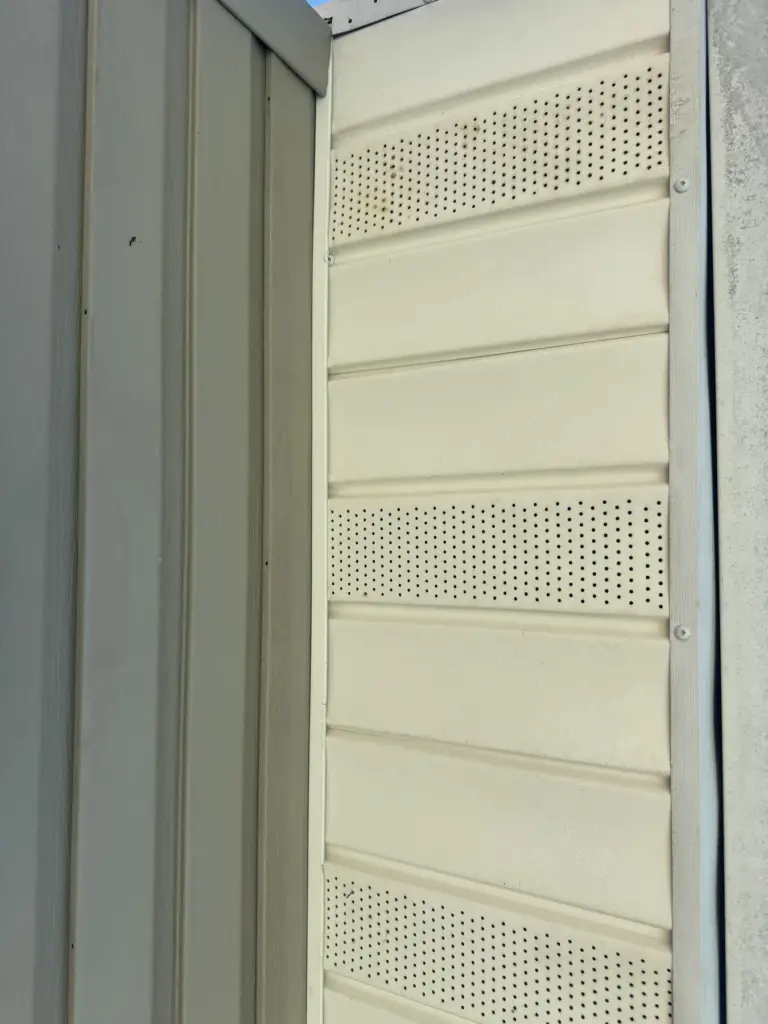
Exterior Opening Exclusion
Screening or exclusion material helps prevent birds from returning to the same protected gap.
Local vent service pages
Birds in vents by borough and neighborhood.
Vent problems are often local and building-specific. These pages help customers find the right Bird Control NYC page for bathroom vents, dryer vents, kitchen range hood vents, louvers, AC sleeves, and exterior openings.
Local vent pages
Neighborhood pages for birds in vents and exterior openings.
Vent bird proofing calls are usually specific: one dryer vent, one bathroom vent, one kitchen range hood vent, one louver, one AC sleeve, or one roofline opening. These pages give Google and customers clearer local paths.
Recent Comments