Physical bird exclusion
Bird Netting NYC
Bird netting for balconies, terraces, courtyards, canopies, loading docks, roof equipment, warehouses, signs, and semi-enclosed building areas where pigeons and birds need to be kept out.
When netting is the right tool
Bird netting is for spaces birds enter, not just ledges they touch.
Netting is often the strongest humane option when birds are entering a larger area: a balcony, terrace, loading dock, courtyard, canopy, warehouse bay, rooftop equipment pocket, sign recess, or open structural void. Unlike spikes, which discourage landing on a narrow surface, netting creates a physical exclusion barrier. When designed and tensioned correctly, it prevents birds from getting into the protected zone.
NYC netting work has to balance effectiveness with visibility, access, building rules, and day-to-day use. A residential balcony should remain usable. A restaurant entrance should look clean to customers. A loading dock must still function. A rooftop equipment area may need access for maintenance. Netting should solve the bird problem without making the property harder to operate.

Netting applications
Where bird netting works well.
Balconies and terraces
Clear or low-visibility netting can reduce bird entry while keeping outdoor residential space usable for apartments, condos, and co-ops.
Loading docks and warehouses
Netting can protect beams, recessed doorways, canopies, bay openings, and sheltered areas where birds gather above staff or inventory.
Rooftop and equipment zones
Mechanical pockets, pipe rails, solar arrays, courtyards, and roof equipment areas may need exclusion instead of simple landing deterrents.
Design details
Good netting depends on tension, anchors, access, and edges.
A net is only as good as its perimeter. Loose edges, weak anchors, sagging spans, and untreated corners can let birds push behind the barrier or make the installation look unfinished. Professional bird netting considers span size, anchor points, cable or frame support, service access, door swing, wind exposure, drainage, facade appearance, and future maintenance.
Netting also needs to be selected for the bird pressure and site. A small balcony, a warehouse loading dock, a restaurant canopy, and a rooftop mechanical area do not need the same layout. We look at where birds enter, where they sit once inside, and how people need to move through or maintain the area after installation.
Humane exclusion
Netting prevents access without trapping birds inside.
Before netting is installed, the area should be reviewed for active nesting, trapped birds, debris, and access conditions. The goal is to exclude birds from the space, not seal them in. Timing, cleanup sequencing, and a careful check of protected corners are important, especially on balconies, courtyards, signs, and roof equipment areas.
Trust signals that matter
- Humane exclusion planning.
- Commercial and residential netting scopes.
- Insured and COI-ready for managed properties.
- Experience with balconies, rooftops, warehouses, and loading docks.
- Clear recommendations when spikes or other methods are better.
Process
How bird netting projects are scoped.
1. Identify the opening
We review where birds are entering, where they sit, and which edges or gaps would need to be closed for the system to work.
2. Plan anchors and access
The layout has to account for attachment points, span length, doors, maintenance access, wind, visibility, building rules, and daily use.
3. Install for complete exclusion
The finished system should be tensioned, secure, and designed so birds cannot slip behind loose edges or untreated corners.
Serving all 5 boroughs
Bird netting for NYC residential and commercial properties.
We scope netting for Manhattan terraces and high-rise areas, Brooklyn balconies and mixed-use courtyards, Queens warehouse and loading dock openings, Bronx apartment buildings and rear structures, and Staten Island homes, rooflines, and solar-related bird issues. The best netting work is practical, clean, and suited to the specific building condition.
Get a netting recommendation.
Send photos of the full opening, corners, attachment points, bird activity, and access. Include the borough, property type, approximate height, and whether the area is residential, commercial, managed, or customer-facing.
Before netting is installed
A netting job should start with the birds, not the mesh.
Before a net is installed, the area should be checked for active birds, nests, eggs, hidden access pockets, debris, and the exact route birds are using to enter. Netting without that review can create avoidable problems. It may seal birds inside, leave a side gap open, block a maintenance path, or fail to cover the actual entry point. Humane exclusion means the area is made inaccessible after the active condition has been evaluated responsibly.
On NYC properties, access planning is just as important as the net itself. A terrace or balcony may have resident-use expectations. A warehouse loading dock needs clearance for trucks, workers, doors, and inventory movement. A rooftop equipment zone may need panels or service paths that remain reachable. A restaurant canopy or storefront may need a clean appearance from the sidewalk. The best netting layouts solve the bird issue while respecting how the space functions.
Netting planning checklist
- Confirm birds are not trapped inside the area.
- Identify all side openings, corners, and return paths.
- Plan access for doors, equipment, panels, drains, or maintenance.
- Choose anchor points that match the building material.
- Keep the finished installation tight, orderly, and appropriate for visibility.
Residential and commercial examples
Bird netting can solve problems spikes cannot reach.
Apartment balconies
When pigeons enter the whole balcony, netting is often the clearest answer because it changes access to the entire space instead of only treating one rail or ledge.
Industrial openings
Warehouses, loading docks, recessed service doors, and canopies often need netting because birds use overhead structure rather than one simple perch.
Rooftop equipment
Mechanical screens, pipe runs, solar arrays, and sheltered roof pockets may need exclusion when birds are nesting or sheltering inside the equipment zone.
Maintenance and long-term performance
Netting should be designed so the property can still be maintained.
A netting system can fail when it ignores the people who need to use the space after installation. Building staff may need to reach drains, roof equipment, light fixtures, balcony doors, signs, sprinkler lines, exhaust equipment, or loading dock hardware. If the netting blocks those items or has to be cut every time maintenance is needed, the installation will not last. Good planning keeps access in mind before the net goes up.
Long spans, windy rooftops, sharp corners, busy loading areas, and high-traffic residential spaces all need a different level of support. The net should not sag into walkways, flap loosely, collect debris unnecessarily, or leave the edges open. For property managers, the best outcome is a system that reduces bird activity while giving supers, contractors, and tenants a clear way to use and maintain the area.
Access details to mention
- Doors, windows, hatches, and service panels.
- Drains, lighting, sprinklers, cameras, and conduit.
- HVAC, solar, exhaust, or roof equipment that needs service.
- Customer, resident, staff, or vehicle movement below.
- Any board, landlord, or management approval requirements.
When netting is worth the investment
Netting makes the most sense when birds are using the whole volume of a space.
If birds are only landing on one narrow ledge, spikes or wire may be the more efficient choice. Netting becomes the stronger investment when pigeons or other birds are entering a protected area and using it as a room: a balcony, loading dock, canopy, courtyard, rooftop equipment bay, open warehouse corner, or sign recess. In those conditions, treating one perch often misses the real problem because the birds can still enter and move around inside.
The value of netting is that it changes access to the entire space. That can reduce droppings, nesting material, odor, and repeat cleaning while protecting the people and equipment below. For commercial properties, that may mean cleaner dock operations or a better storefront experience. For residential properties, it may mean a balcony or terrace becomes usable again. For managed buildings, it can reduce repeated complaints by addressing the access pattern directly.
Good netting candidates
- Balconies where birds enter repeatedly.
- Canopies, courtyards, and overhangs with sheltered corners.
- Warehouse and loading dock structure above work areas.
- Rooftop equipment pockets or solar-related nesting areas.
- Signs or recesses where birds can move behind a front surface.
Before and after placeholders
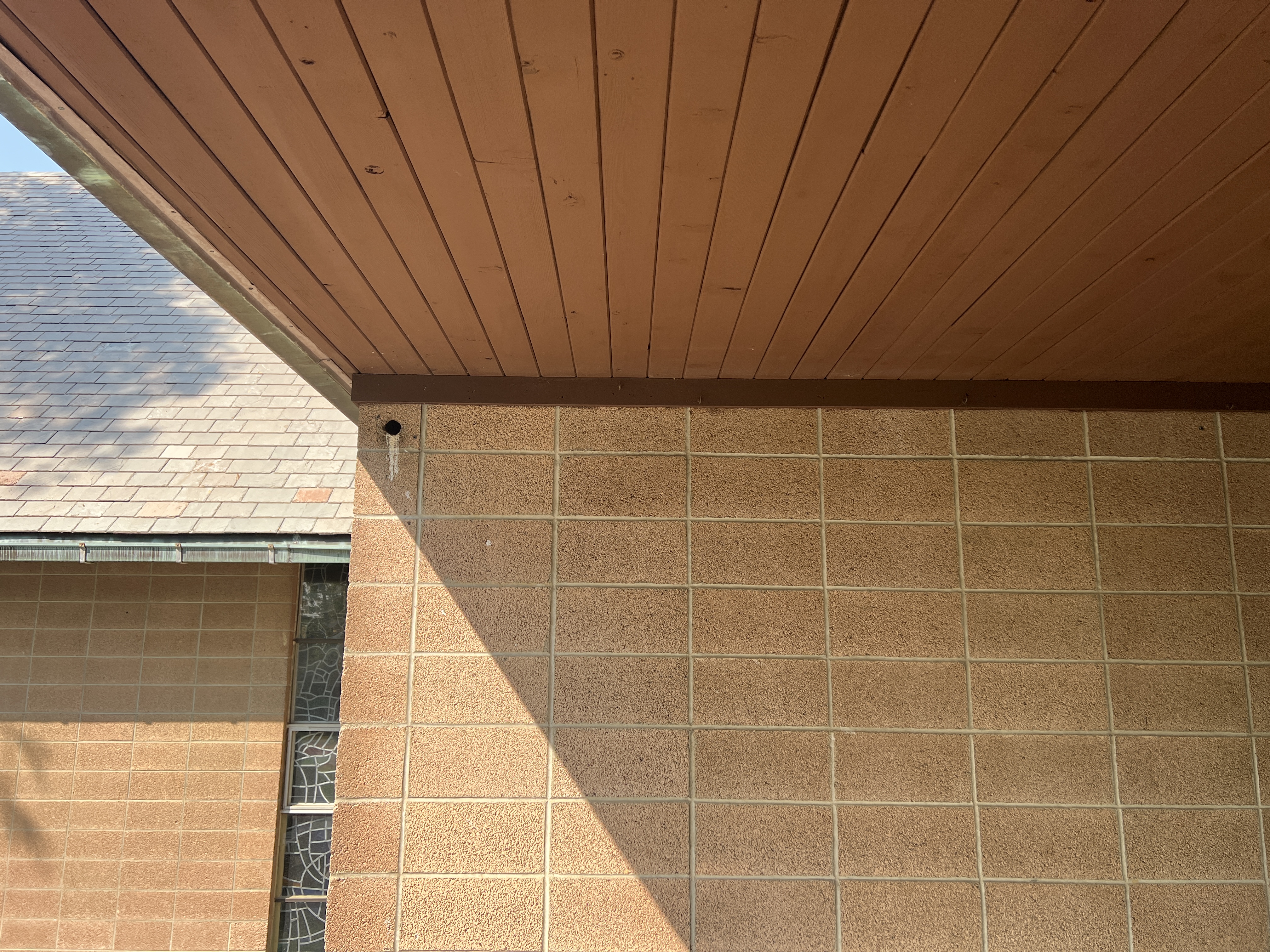
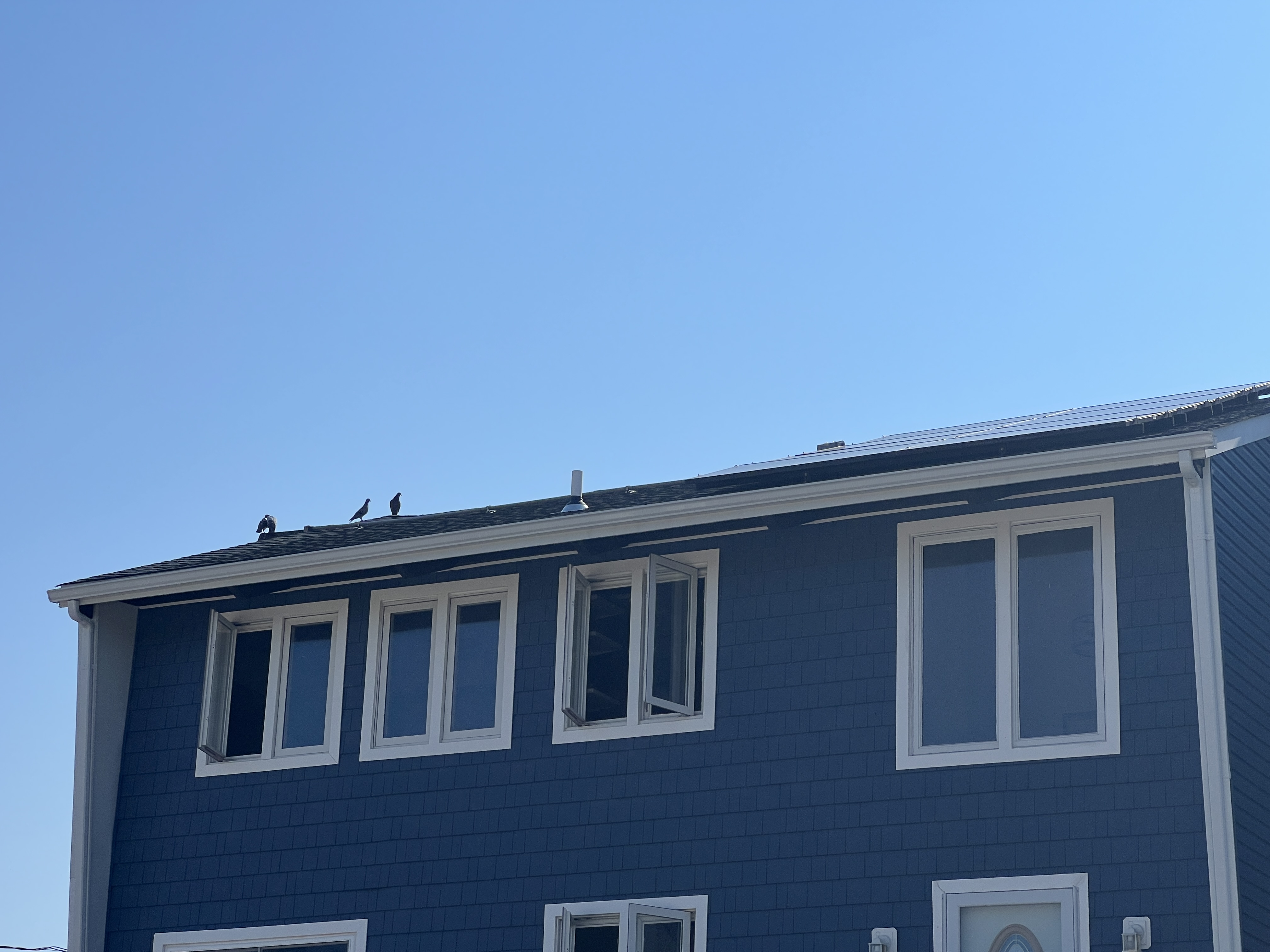
Netting work should show the access problem and the finished exclusion.
These temporary images use existing site media. Later, replace them with real paired photos showing the opening before netting and the same balcony, loading dock, canopy, or equipment area after the netting is installed and tensioned.
FAQ
Bird Netting FAQ
Is bird netting humane?
Yes. Netting is a humane exclusion method when installed after checking the area for active birds, nesting conditions, and trapped access points.
Will netting block a balcony view?
Visibility depends on net color, mesh size, lighting, distance, and installation layout. The goal is to protect the space while keeping it usable and reasonable to live with.
Can netting be used at loading docks?
Yes. Loading docks, canopies, beams, and recessed commercial areas are common netting candidates when birds gather above staff, customers, equipment, or inventory.
Can netting include access openings?
Often, yes. If a balcony, roof area, sign, or loading dock still needs routine access, the layout can be planned around doors, service paths, panels, drains, or equipment. That access should be discussed before installation so the system remains useful after the bird issue is addressed.
How long does bird netting last?
Service life depends on material, exposure, anchors, tension, maintenance, and whether the installation is disturbed by contractors or building activity. The best way to protect the investment is to keep edges secure, avoid cutting access holes into the net, and include maintenance needs in the original layout.
What photos help with a netting estimate?
Send wide photos of the full opening, corner details, where birds enter, where they sit, any doors or access needs, and the approximate height or dimensions if known.
Related bird control services
Balcony Bird Control NYC | Warehouse Bird Control NYC | Restaurant Bird Control NYC | Solar Panel Bird Proofing NYC | Pigeon Control NYC | Bird Spikes NYC | Bird Nesting Prevention | All Services
Recent Comments