
Apartment and terrace bird control
Balcony Bird Control NYC
Humane balcony bird control for NYC apartments, co-ops, condos, terraces, fire escape areas, railings, ledges, planters, AC areas, and residential outdoor spaces affected by pigeons and nesting birds.
Why balconies attract birds
Balcony bird problems usually start in quiet protected corners.
NYC balconies, terraces, and small outdoor spaces give pigeons exactly what they look for: height, shelter, rails, corners, planters, furniture, AC equipment, and periods when people are not outside. A bird may start by landing on the rail, then sit behind a planter, then build a nest in a corner or behind stored items. Once that pattern begins, cleaning the balcony may not be enough. The birds often return because the space still works for them.
Balcony bird control needs to protect the area without making the resident feel boxed in. Some balconies need low-visibility netting to stop entry. Others need spikes or wire on a specific rail, ledge, or top surface. A terrace may need a combination of ledge deterrents and exclusion around a protected nook. The right plan depends on layout, building rules, view, attachment points, and how the space is used.

Residential pressure points
Where birds use balconies and terraces.
Rails and ledges
Top rails, side ledges, parapet caps, divider walls, and narrow surfaces become daily landing spots that leave droppings below.
Corners and storage areas
Planters, furniture, bins, AC units, and sheltered balcony corners can become nesting areas when left quiet long enough.
Nearby facade details
Fire escapes, cornices, window ledges, roof edges, and neighboring balconies can feed the same bird pattern.

Resident-friendly methods
The solution should fit the balcony, the building, and the person using it.
Balcony netting is common when birds are entering the whole space. It can be planned around railings, ceiling height, side openings, doors, views, and maintenance access. Spikes or wire may be enough when birds only land on a narrow rail cap or ledge. Exclusion may be needed if birds are entering a gap or nesting in a protected cavity. Cleanup sequencing may be part of the project if droppings, odor, or nesting material have accumulated.
In co-ops, condos, and rental buildings, approval may be required before exterior materials are installed. We can help describe the scope clearly so residents, supers, boards, or managing agents understand what is being recommended and why. For multi-unit buildings, a single balcony may be part of a wider facade or roofline pattern that management should know about.
Co-op, condo, and rental coordination
Balcony bird control often needs more than a product recommendation.
NYC residential buildings may have rules about exterior appearance, attachment, access, insurance, and work hours. A good balcony plan respects those realities. The work should be humane, neat, durable, and easy to explain to building management. If a property manager or board needs a COI-ready scope, that should be part of the communication from the start.
Trust signals that matter
- Residential and managed-building experience.
- Humane methods for landing, nesting, and entry prevention.
- COI-ready communication when management is involved.
- Discreet planning for balconies, terraces, and visible facades.
- Clear guidance when netting, spikes, or exclusion is the better fit.
Process
How balcony bird control is scoped.
1. Review the balcony layout
Photos should show the full balcony, rails, ceiling or overhang, side openings, door area, corners, planters, furniture, AC equipment, and where droppings collect.
2. Match the method
Netting, spikes, wire, exclusion, or cleanup coordination may be recommended depending on whether birds are entering, landing, nesting, or sheltering.
3. Coordinate approval
If needed, the scope can be explained for property managers, supers, co-op boards, condo boards, landlords, or building staff.
Serving all 5 boroughs
Balcony bird control across Manhattan, Brooklyn, Queens, the Bronx, and Staten Island.
We help residents and building teams with pigeon and bird activity on Manhattan terraces, Brooklyn apartment balconies, Queens co-op and condo outdoor spaces, Bronx rental-building ledges and fire escape areas, and Staten Island residential balconies, rooflines, and decks. Every balcony has different access, visibility, and rules, so the solution should be planned around the exact space.
Send photos for a balcony recommendation.
Include wide photos, close-ups of droppings or nesting, the borough, building type, whether you rent or own, and whether management approval is needed.
What makes balcony work sensitive
Balcony bird control has to solve the problem without ruining the space.
A balcony is different from a loading dock or roof ledge because it is part of someone’s home. Residents may care about light, view, plants, pets, children, furniture, and whether the installation feels permanent or intrusive. At the same time, an incomplete solution can make the balcony unusable again within days. The work has to balance comfort, appearance, and prevention.
That balance starts with the exact behavior. If pigeons only land on the rail, a rail or ledge deterrent may be enough. If they enter the full balcony and nest behind objects, netting may be more reliable. If they are coming from a neighboring ledge, facade detail, or fire escape, the balcony may be only one part of a wider condition. We try to separate the visible mess from the actual route birds are using.
Balcony details we review
- Open sides, ceiling height, rail type, and divider walls.
- Planters, furniture, storage, AC units, and protected corners.
- Where droppings fall and where birds actually sit.
- Nearby ledges, fire escapes, cornices, and roof edges.
- Building approval, access rules, and appearance requirements.
Common balcony scenarios
Not every balcony bird problem needs the same fix.
Occasional rail landing
When birds only perch on a rail or narrow ledge, a focused deterrent may reduce the pattern without enclosing the whole balcony.
Heavy nesting pressure
When pigeons nest in corners, behind furniture, or beneath protected overhangs, the space may need cleanup sequencing and stronger exclusion.
Building-wide pressure
If multiple balconies or ledges are affected, management may need a coordinated facade, terrace, or property-management bird control plan.
After the installation
The balcony should be easier to use, clean, and maintain.
The goal of balcony bird control is not just to stop pigeons from landing today. It is to make the outdoor space usable again. A resident should know how to open the door, clean ordinary dust, water plants, move furniture, and check the system without feeling like the balcony has become a construction zone. If netting is used, it should be tensioned and attached in a way that feels orderly. If spikes or wire are used, they should be placed where birds actually land and not scattered randomly across the space.
After active bird pressure is reduced, the area may still need cleaning or deodorizing depending on the amount of droppings and nesting material. Residents should avoid repeatedly disturbing active nesting without guidance. The best sequence is to understand the activity, address humane timing concerns, clean when appropriate, and then install prevention so the pattern does not restart.
What improves a balcony quote
- Photos from inside the balcony and from the doorway.
- Close-ups of corners, rail caps, nests, and droppings.
- Notes about whether birds enter daily or occasionally.
- Whether building management or a board must approve work.
- Any concerns about view, pets, children, plants, or furniture.
For residents and managers
Balcony bird control is often both a unit issue and a building issue.
Sometimes one resident has a problem because their balcony is unusually protected or quiet. Other times, several balconies are affected because birds are using the facade, fire escape, cornice, roof edge, or adjacent building as part of the same pattern. In that case, a single-unit fix may help one apartment but leave the larger pressure untouched. A property manager may need to understand whether the work should be handled unit by unit or as a coordinated exterior scope.
For residents, the best next step is clear documentation: photos of where birds sit, where droppings collect, and where they appear to enter. For managers, the useful question is whether the condition repeats across multiple units or shared areas. If it does, the property may benefit from a broader residential, facade, or property-management bird control plan that treats the source of the pressure rather than only the most visible complaint.
Who may need to review
- Resident, owner, renter, or shareholder.
- Superintendent or resident manager.
- Property manager or landlord.
- Co-op board or condo board.
- Facade, roof, or maintenance contractor if access overlaps.
Before and after placeholders
Balcony projects should show the space becoming usable again.
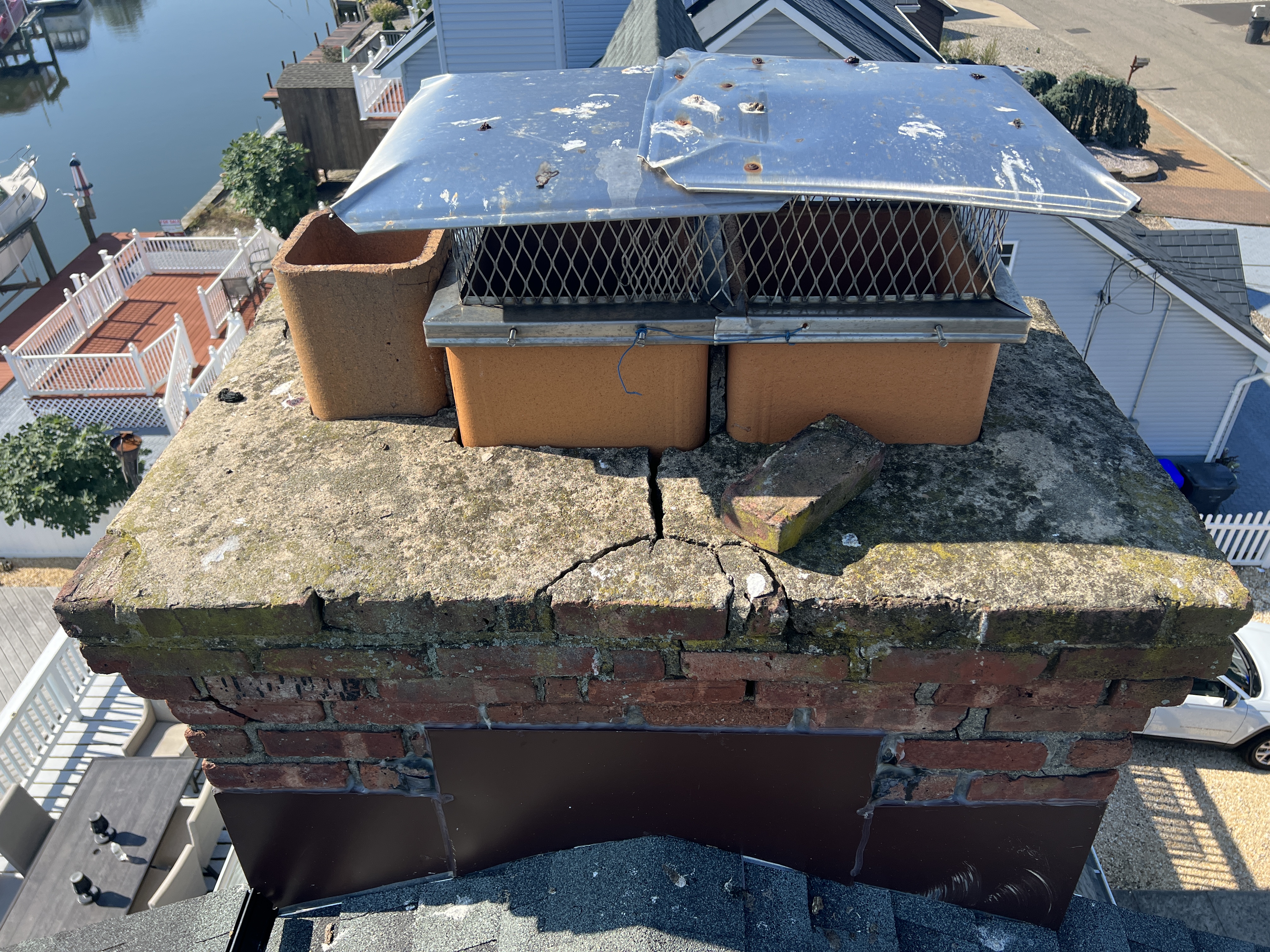
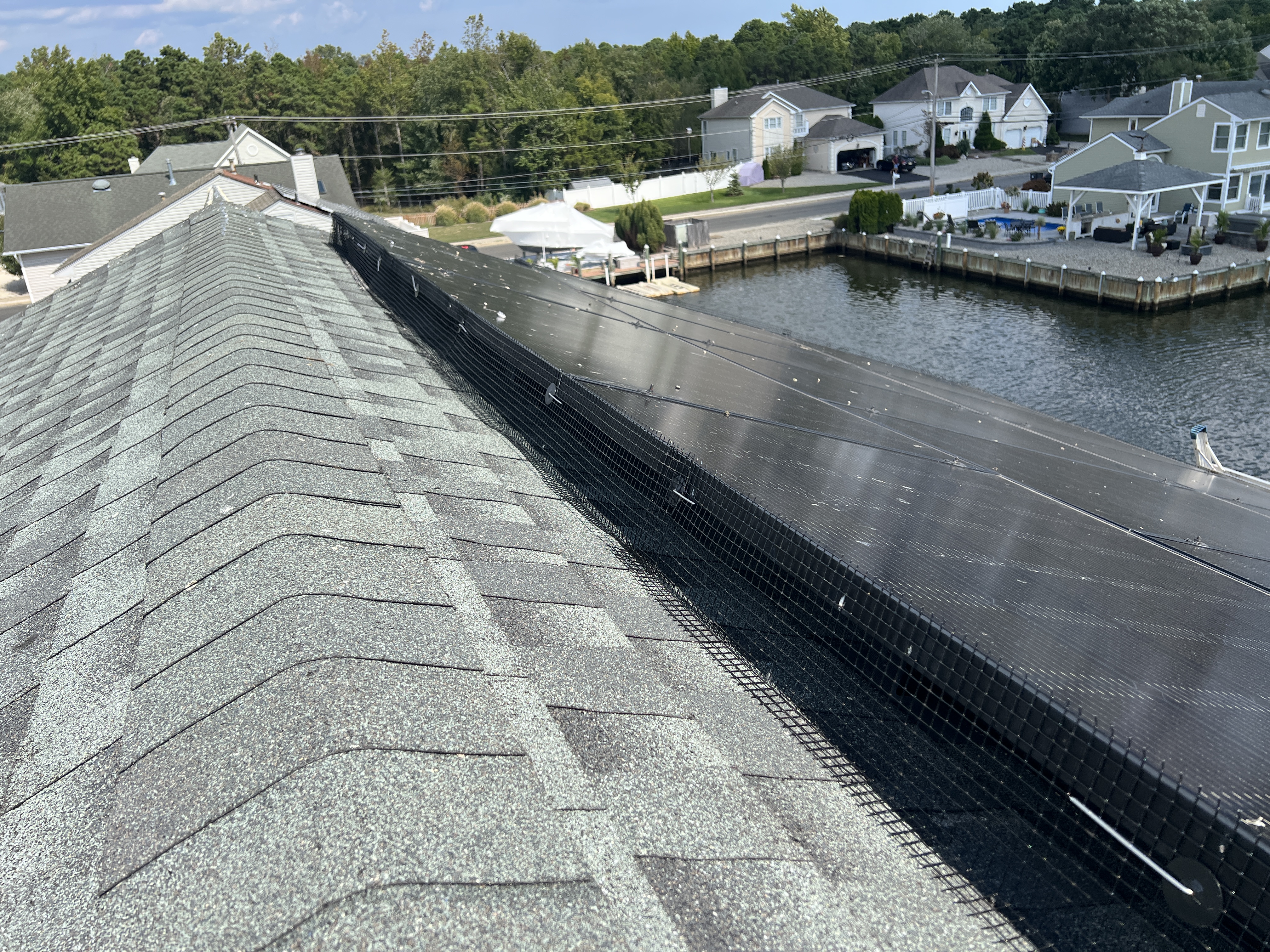
These placeholders use current site images. Later, swap in real matching photos that show the balcony, terrace, or rail area before the bird control work and the same space after netting, spikes, cleanup, or exclusion is complete.
FAQ
Balcony Bird Control FAQ
Can birds be kept off my balcony humanely?
Yes. Humane balcony bird control uses exclusion or deterrents to prevent landing, nesting, or entry so birds move away from the space.
Is netting always required?
No. Netting is often best when birds enter the full balcony, but spikes, wire, or exclusion may be better when the issue is limited to a rail, ledge, or small gap.
Do I need building approval?
Possibly. Co-op, condo, and rental buildings may require approval for exterior materials. We can help describe the proposed scope so you can check with management.
Can one balcony be fixed without treating the whole building?
Often, yes, especially when the problem is isolated to one quiet balcony. If several units, ledges, or terrace areas have the same issue, management may need a broader building plan so birds are not simply pushed from one resident’s space to the next.
What photos should I send?
Send the full balcony, ceiling or overhang, rails, side openings, corners, droppings, nesting material, and any areas where birds land or hide.
Related residential bird control services
Bird Netting NYC | Bird Spikes NYC | Residential Bird Control | Pigeon Control NYC | Facade Bird Control NYC | Bird Nesting Prevention | Solar Panel Bird Proofing NYC | All Services
Related bird nesting service
Birds Nesting In Vents, AC Units, Downspouts, and Exterior Openings
Birds often nest inside or underneath exterior openings on NYC buildings, including AC units, bathroom vents, kitchen range hood vents, dryer vents, downspouts, roofline gaps, louvers, balconies, terraces, soffits, and facade openings. Bird Control NYC inspects the nesting area, removes nesting material where legally appropriate, and installs exclusion materials or protective covers to help prevent birds from returning.
Bird Nesting Prevention
Recent Comments