
NYC pigeon mitigation
Pigeon Control NYC
Humane pigeon control for rooftops, parapets, facades, fire escapes, terraces, balconies, cornices, storefront signs, bulkheads, loading docks, warehouses, and mixed-use buildings across New York City.
Why pigeons keep returning
Pigeon problems are building-use problems, not random messes.
In NYC, pigeons return to a property because a specific part of the building works for them. A parapet gives height and a clean approach. A fire escape gives a protected perch. A sign band creates shelter above a storefront. A terrace or balcony may stay quiet long enough for nesting. A loading dock beam gives cover, warmth, and access to food activity below.
That is why effective pigeon control starts with the pattern. We look at where pigeons land, where droppings collect, where nesting material is tucked away, and which surrounding ledges may become the next problem if the current surface is treated incompletely. The goal is not to install one product everywhere. The goal is to make the building surfaces that pigeons are using unsuitable in a humane, durable, and visually reasonable way.

Common NYC pigeon pressure points
Where pigeon control is usually needed.
Rooftops and parapets
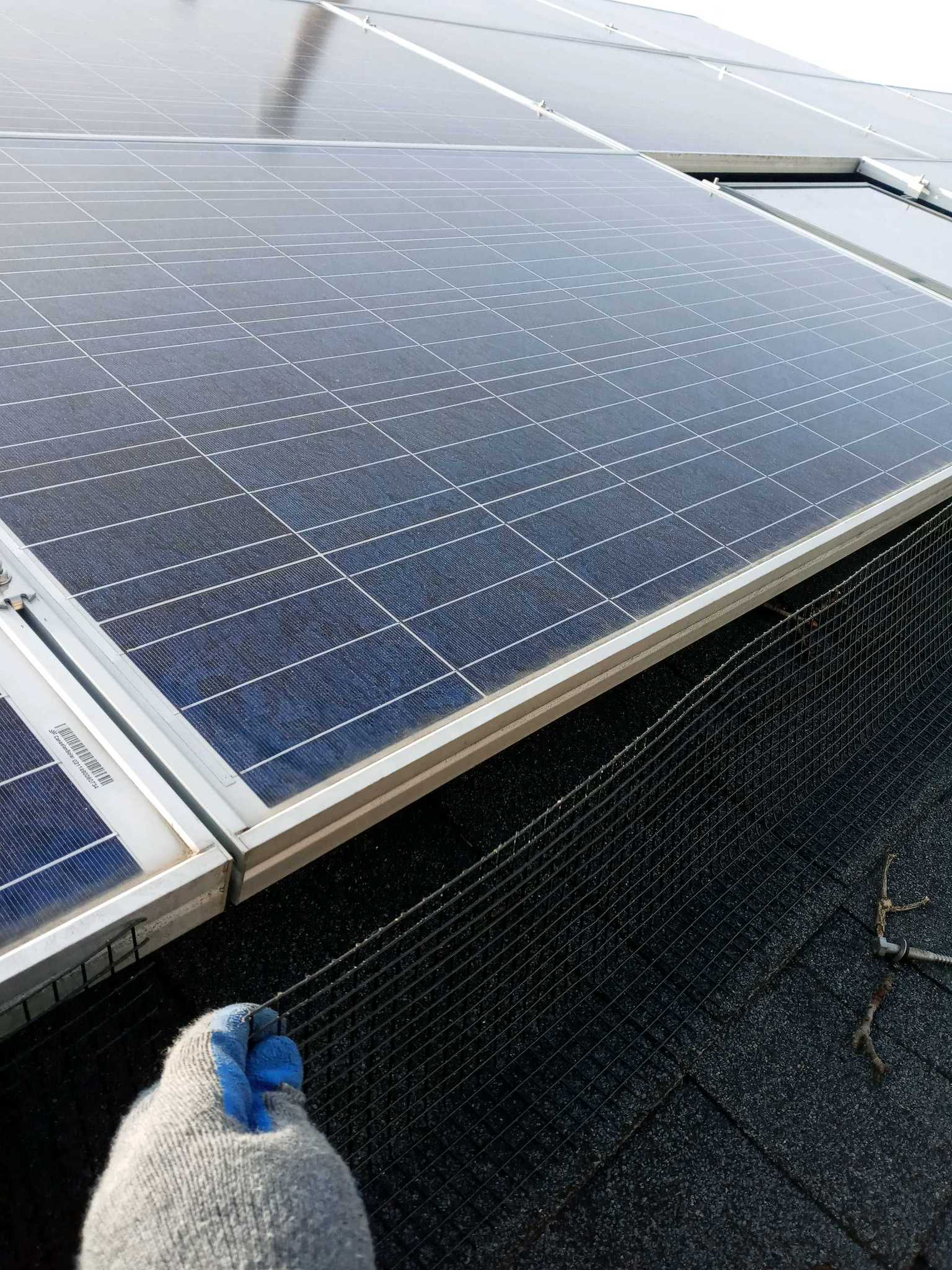
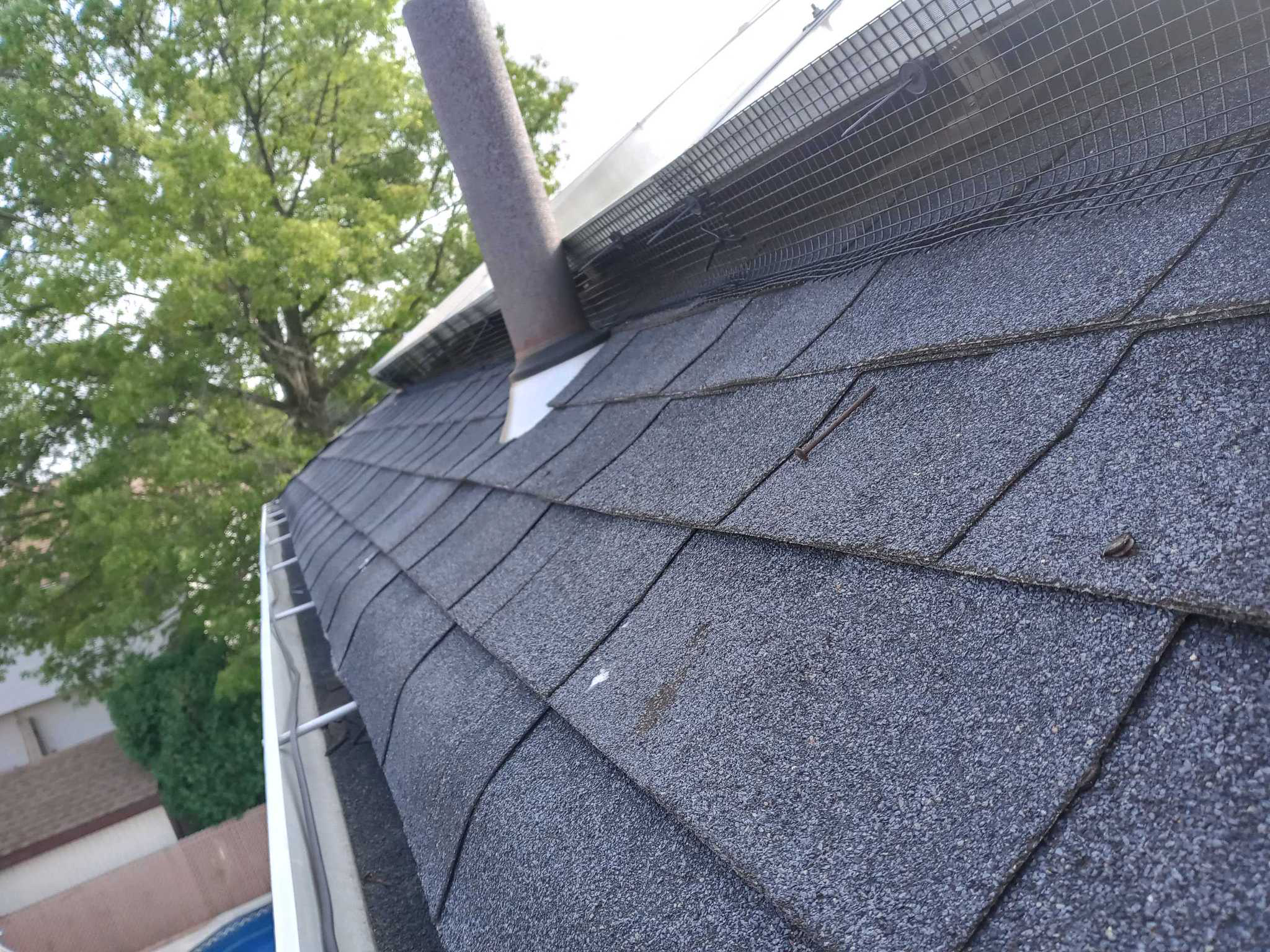
Roof edges, coping stones, bulkheads, roof doors, hatch areas, pipe rails, HVAC pads, and solar arrays can become recurring pigeon zones.
Facades and cornices
Decorative ledges, window heads, sign bands, fire escapes, AC sleeves, and storefront details can collect droppings and stains.
Balconies and terraces
Residential outdoor spaces often attract pigeons when corners, railings, planters, or furniture give them a protected resting place.

Humane methods
The right pigeon control method depends on the surface.
Bird spikes are useful on many narrow landing areas, but they are not a universal answer. Bird netting is stronger when pigeons are entering balconies, courtyards, loading docks, canopies, or roof equipment zones. Wire systems can be used where appearance matters and the surface geometry supports them. Exclusion guards and screening are important when pigeons are entering gaps, vents, sign cabinets, soffits, or protected cavities.
A strong recommendation considers surface depth, visibility, wind exposure, access, tenant impact, future maintenance, and the pressure level. If pigeons are nesting, timing matters. If droppings are heavy, cleanup sequencing matters. If the property is managed, documentation and COI requirements matter. Pigeon control in NYC should be specific enough for the building, not a generic pest-control paragraph with a product name attached.
Commercial and residential
Built for real NYC property conditions.
We help restaurants, storefronts, warehouses, apartment buildings, co-ops, condos, mixed-use properties, facility teams, and property managers reduce pigeon pressure without creating a messy-looking installation. Some properties need a discreet front-facade solution. Others need stronger exclusion in a rear service area. A high-rise roof may require access planning. A balcony may need a resident-friendly system that keeps the outdoor space usable.
Trust signals that matter
- Insured and COI-ready for managed properties.
- Humane deterrent and exclusion methods.
- Experienced with rooftop, facade, terrace, and high-rise conditions.
- Commercial and residential scopes.
- Property-management friendly communication.
Process
How pigeon control projects are scoped.
1. Review photos and access
Helpful photos show droppings, landing areas, nesting material, the wider building surface, and any access limitations such as height, roof rules, or tenant areas.
2. Identify the pressure pattern
We look for the exact reason pigeons are using the surface: landing, roosting, nesting, sheltering, or entering an enclosed pocket.
3. Recommend prevention
The plan may include spikes, netting, wire, exclusion, cleanup coordination, or a combined system designed around the building.
Serving all 5 boroughs
Pigeon control for Manhattan, Brooklyn, Queens, the Bronx, and Staten Island.
NYC pigeon pressure changes by property type. Manhattan rooftops and high-rise facades often need parapet, bulkhead, terrace, and access planning. Brooklyn and Queens mixed-use buildings often need storefront, cornice, roofline, and rear-yard solutions. Bronx apartment properties may need fire escape, ledge, and courtyard scopes. Staten Island residential properties may need roofline, solar, terrace, and balcony protection.
Request a pigeon control quote.
Send wide photos, close-ups, borough, property type, approximate height, and a short description of where pigeons are landing, nesting, or leaving droppings.
Why cleanup alone fails
Pigeon cleanup should be paired with prevention when the birds still own the surface.
Many property owners call after the same spot has been cleaned more than once. That is common on balconies, storefront signs, parapets, warehouse beams, and roof equipment areas. Droppings are the visible symptom, but the real issue is the condition that allowed pigeons to settle there in the first place. If the landing surface, protected corner, or entry gap remains useful, the birds may return within days or weeks.
Cleanup can be important for odor, appearance, safety, and preparation before installation. It can also reveal attachment points or nesting material hidden under debris. But cleanup by itself does not change a pigeon’s behavior. A complete plan identifies the active pressure points, removes or addresses nesting conditions when appropriate, then installs deterrents or exclusion so the space no longer functions as a roost, nest, or shelter.
Signs the problem needs prevention
- Droppings return quickly after cleaning.
- Birds sit in the same exact spot every day.
- Nesting material appears in corners, gaps, signs, or equipment areas.
- Residents, customers, staff, or tenants avoid the affected space.
- The problem is spreading from one ledge, rail, or beam to another.
Property-specific examples
Different NYC properties need different pigeon control scopes.
Restaurants and storefronts
Pigeon droppings near signage, awnings, sidewalk dining, entry doors, and outdoor service areas can create a poor first impression before a customer steps inside. These scopes often need discreet ledge deterrents, sign-gap exclusion, and timing that respects business hours.
Co-ops and condos
Balconies, terraces, facade ledges, roof setbacks, and fire escapes may involve residents, boards, supers, and managing agents. The best scopes explain the issue clearly and avoid installations that look careless from neighboring apartments or the street.
Warehouses and facilities
Loading docks, roll-up doors, beams, canopies, and roof equipment zones can attract pigeons because they provide shelter and food-adjacent traffic. These jobs often need netting, exclusion, or broader coverage than a ledge-only solution.
What a strong scope should explain
A pigeon control proposal should make the building condition easy to understand.
Owners and managers should not have to guess what they are buying. A useful scope explains the affected area, the bird behavior, the recommended method, and the reason that method fits the property. It should identify whether the work is aimed at landing prevention, nesting prevention, exclusion from a cavity, or cleanup preparation. It should also make clear what is not included, especially if adjacent ledges or neighboring surfaces could continue to attract birds.
For managed buildings, this clarity matters because several people may need to review the work: an owner, property manager, superintendent, board member, tenant, facilities team, or insurance contact. A clear pigeon control plan helps avoid confusion about access, timing, appearance, and expected results. It also helps the property make better decisions when work needs to be phased across a roof, facade, courtyard, or group of balconies.
Details that improve the outcome
- Photos from close range and from farther back.
- Notes about when birds are most active.
- Whether droppings affect people, equipment, signs, or sidewalks.
- Any access rules, roof restrictions, or building-contact requirements.
- Whether the issue is new or has returned after previous work.
Urgent service indicators
Some pigeon problems should be reviewed quickly.
A few droppings on a remote roof edge may be manageable, but some pigeon issues deserve faster attention. If droppings are falling onto a sidewalk, entrance, dining area, tenant balcony, playground, loading dock, or mechanical equipment, the property has more than an appearance issue. If nesting material is near exhaust, drains, solar panels, signs, or electrical equipment, the problem can interfere with maintenance and may become more expensive if ignored.
Quick review is also important when residents, customers, or staff are cleaning the same area repeatedly. Repeated cleanup can create frustration without solving the underlying landing or nesting pattern. Photos are usually enough to start the conversation. Once the pressure point is understood, the work can be prioritized around safety, access, business impact, tenant complaints, and whether the installation requires management approval.
Call when pigeons affect
- Entrances, sidewalks, outdoor dining, or customer areas.
- Balconies, terraces, or resident amenity spaces.
- Roof drains, solar arrays, HVAC equipment, or exhaust areas.
- Warehouse doors, loading docks, inventory, or staff walkways.
- Co-op, condo, or tenant complaints that need documentation.
Before and after placeholders
Pigeon control results are easier to understand visually.
These temporary images use existing site media as placeholders. Replace them later with actual before and after photos from pigeon control projects, ideally showing the same ledge, parapet, balcony, or storefront area before cleanup/prevention and after deterrents or exclusion are installed.
FAQ
Pigeon Control FAQ
Is pigeon control humane?
Yes. Humane pigeon control changes the landing, roosting, nesting, or entry conditions so pigeons relocate instead of continuing to use the same building surface.
Do spikes solve every pigeon issue?
No. Spikes work best on many narrow landing surfaces. Netting, wire, screening, or exclusion may be better for balconies, loading docks, roof equipment, cavities, or larger protected areas.
Can you work with property managers?
Yes. Pigeon control scopes can be planned around COI requirements, building access, tenant communication, and manager or board review.
What should I send for an estimate?
Send photos of the affected area, droppings, birds, surrounding ledges, access points, borough, property type, and whether the issue affects residents, customers, staff, sidewalks, or equipment.
Related pigeon control services
Bird Spikes NYC | Bird Netting NYC | Balcony Bird Control NYC | Rooftop Bird Control NYC | Facade Bird Control NYC | Bird Nesting Prevention | Solar Panel Bird Proofing NYC | All Services
Related bird nesting service
Birds Nesting In Vents, AC Units, Downspouts, and Exterior Openings
Birds often nest inside or underneath exterior openings on NYC buildings, including AC units, bathroom vents, kitchen range hood vents, dryer vents, downspouts, roofline gaps, louvers, balconies, terraces, soffits, and facade openings. Bird Control NYC inspects the nesting area, removes nesting material where legally appropriate, and installs exclusion materials or protective covers to help prevent birds from returning.
Bird Nesting Prevention
Recent Comments