Facade and ledge protection
Facade Bird Control for NYC Buildings
Bird Control NYC designs humane facade bird control for cornices, storefront signs, window ledges, fire escapes, decorative trim, pipe rails, facade setbacks, awnings, and sidewalk-facing building details across New York City.
NYC facade conditions
Facade bird control has to solve the actual ledge, not just the visible mess.
Pigeons do not need a wide surface to create a repeat problem. A cornice, sign band, window head, pipe rail, AC sleeve, fire escape landing, decorative masonry detail, or narrow facade setback can become a regular perch when it overlooks food sources, traffic, rooftops, or sheltered courtyards.
Facade bird control in NYC has to balance performance, appearance, access, and building rules. A storefront ledge needs a different approach than a high-rise cornice. A fire escape landing is not the same as a recessed architectural detail. The right scope should name the surfaces being treated and explain why the method fits that part of the building.
Common facade pressure points
- Cornices, sign bands, storefront ledges, and window heads.
- Fire escapes, facade setbacks, decorative trim, and pipe rails.
- Sidewalk-facing areas where droppings create complaints.
- Retail, restaurant, mixed-use, co-op, condo, and commercial facades.
- AC sleeves, vents, louvers, awnings, and protected exterior gaps.
Facade inspection process
Facade bird control should be precise, not generic.
1. Identify the active surface
We look for the exact ledge, sign band, cornice, fire escape, trim, rail, AC area, or facade gap birds are using, plus where droppings are landing below.
2. Review access and visibility
Facade work may involve ladders, roof access, terraces, fire escape constraints, sidewalk-facing work areas, store hours, management approval, and appearance concerns.
3. Match the deterrent to the detail
Spikes, wire, netting, screening, exclusion, or combined deterrents may be recommended depending on depth, pressure level, appearance, and attachment options.
Method selection
We choose deterrents that fit the facade detail.
Bird spikes can be strong on narrow ledges, parapet caps, sign bands, and window heads. Wire systems may fit certain visible architectural details where appearance matters. Netting may be needed when birds enter a recessed sign, canopy, courtyard opening, fire escape area, or protected void. Screening and exclusion may be better when birds are entering AC sleeves, louvers, soffits, vents, or open facade gaps.
The wrong product can look sloppy or push the bird pressure a few feet away. A good facade plan considers where birds are landing now, what untreated surfaces are nearby, how the installation will look from the street or neighboring apartments, and how the building will maintain the area later. For restaurants and storefronts, the work should protect the customer-facing zone without making the entrance look patched together.
Facade methods may include
- Bird spikes for ledges, sign bands, rails, and trim.
- Bird netting for recesses, courtyards, and protected voids.
- Exclusion around AC sleeves, vents, louvers, and gaps.
- Wire or low-profile deterrents for appearance-sensitive details.
- Cleanup coordination before deterrents are installed.
Buildings we commonly help
- Storefronts, restaurants, and mixed-use buildings.
- Co-ops, condos, apartment buildings, and property-managed sites.
- High-rise and mid-rise buildings with cornices and facade setbacks.
- Warehouses, retail properties, schools, and commercial buildings.
- Buildings where droppings affect sidewalks, entrances, terraces, or signage.
High-visibility surfaces
Facade bird control often affects customers, tenants, and pedestrians.
Facade bird problems are visible. Droppings on a sidewalk, sign, awning, customer entrance, window ledge, fire escape, or residential terrace can create complaints quickly. The affected surface may be small, but the impact can be large because people pass underneath it every day.
For commercial properties, facade work may need to be coordinated around business hours, sidewalk access, signage, awnings, or tenant operations. For residential buildings, the scope may need management approval, resident communication, board review, or COI documentation. Bird Control NYC frames the recommendation around the surface, the people affected below, and the practical access needed to complete the work.
When to act
Facade bird pressure should be reviewed before staining and complaints spread.
Facade problems often start with one ledge or sign band, but birds may use nearby surfaces once they are comfortable in that part of the building. If droppings return quickly after cleaning, if residents or customers are complaining, if nesting material appears around AC units or openings, or if staining is spreading below a ledge, the surface should be reviewed before the problem becomes more expensive to correct.
Photos can usually start the review. The most useful photos show the affected ledge close-up, the wider facade, where droppings land, and any access limitations. If the area is above a sidewalk, storefront, fire escape, terrace, or courtyard, include that context so the recommendation can account for safety, access, and scheduling.
Request a facade bird-control review.
Send photos of the ledge, cornice, sign band, fire escape, storefront, AC area, louver, vent, droppings, and the wider building facade. Include borough, property type, approximate height, and access notes.
Related exterior issues
Facade bird control connects to rooftop, high-rise, balcony, and nesting work.
Birds using a facade may also be active on the roof, fire escapes, terraces, balconies, parapets, vents, AC sleeves, storefront signs, or nearby exterior openings. If only the visible ledge is treated while the adjacent roofline, cavity, or landing surface remains active, the pressure may move instead of improving. A stronger plan connects facade bird control with pigeon control, bird spikes, rooftop work, balcony bird control, and nesting prevention when needed.
Pigeon Control NYC | Bird Spikes NYC | Rooftop Bird Control NYC | High-Rise Bird Control NYC | Balcony Bird Control NYC | Bird Nesting Prevention
Before and after placeholders
Facade projects should show the ledge and the area below.
Replace these placeholders later with actual facade project photos. The best examples show the affected ledge, sign band, cornice, fire escape, or AC area before service, then the finished deterrent or exclusion detail. Wide shots help show where droppings were landing; close-ups show how the surface was protected.
Trust signals that matter
- Humane deterrent and exclusion planning.
- Facade, storefront, fire escape, and ledge awareness.
- High-rise and property-management friendly scopes.
- COI-ready support for managed buildings.
- Commercial and residential exterior bird-control experience.
Questions
Facade Bird Control FAQ
What is the best method for facade bird control?
It depends on the surface. Spikes may work for narrow ledges, wire may fit certain visible details, netting may fit recessed areas, and exclusion may be needed around gaps, vents, AC sleeves, or louvers.
Can facade bird control be discreet?
Often, yes. The method depends on the building detail, visibility, pressure level, and attachment options. Appearance should be considered before the work is installed.
Do you work on storefronts and restaurants?
Yes. Storefront and restaurant facade work may involve signs, awnings, ledges, customer entrances, sidewalk exposure, and scheduling around business operations.
What photos help with a facade estimate?
Send close-ups of the ledge or opening, wider photos of the facade, droppings below, bird activity if visible, approximate height, property type, and any access notes.
Related bird control services
Pigeon Control NYC | Bird Spikes NYC | Bird Netting NYC | Rooftop Bird Control NYC | High-Rise Bird Control NYC | Property Management Bird Control NYC | Balcony Bird Control NYC | Bird Nesting Prevention | All Bird Control Services
Access and Installation Proof
Power Lift and High-Access Bird Control Work
Some NYC bird-control work cannot be handled from a simple step ladder. Facade ledges, upper-floor windows, cornices, signs, and high-access landing areas may require lift planning, site coordination, and careful installation from the correct access point.
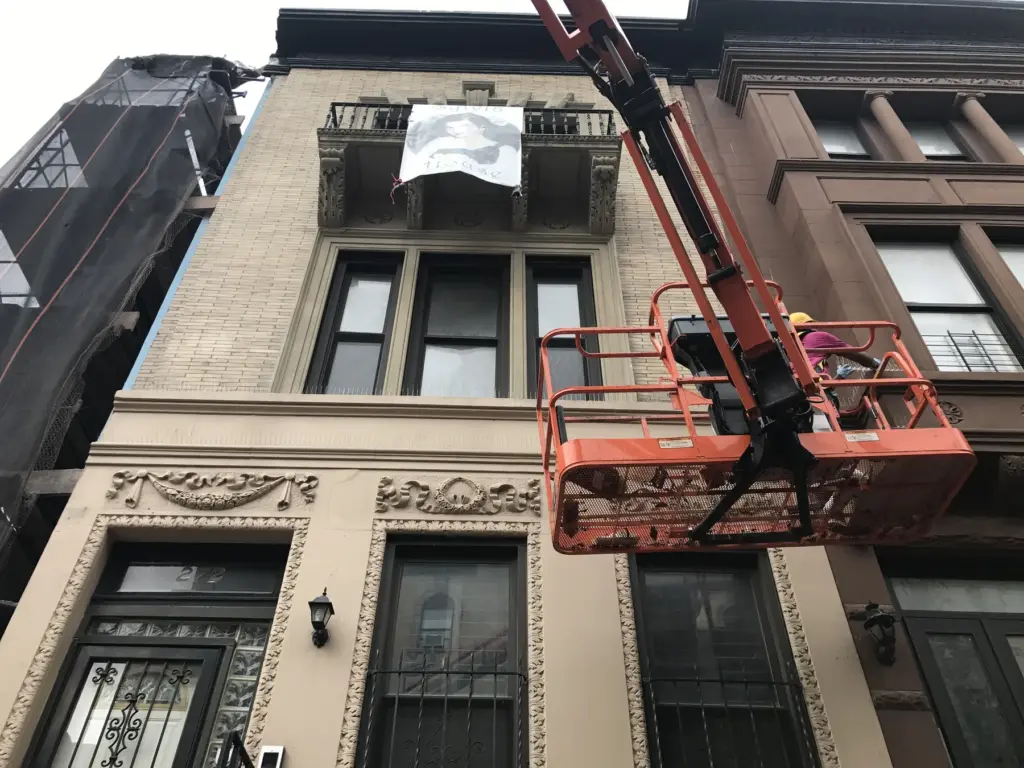
Power Lift Facade Access
Power lift access helps us reach upper facade ledges and landing surfaces that are not safely reachable from inside the building.
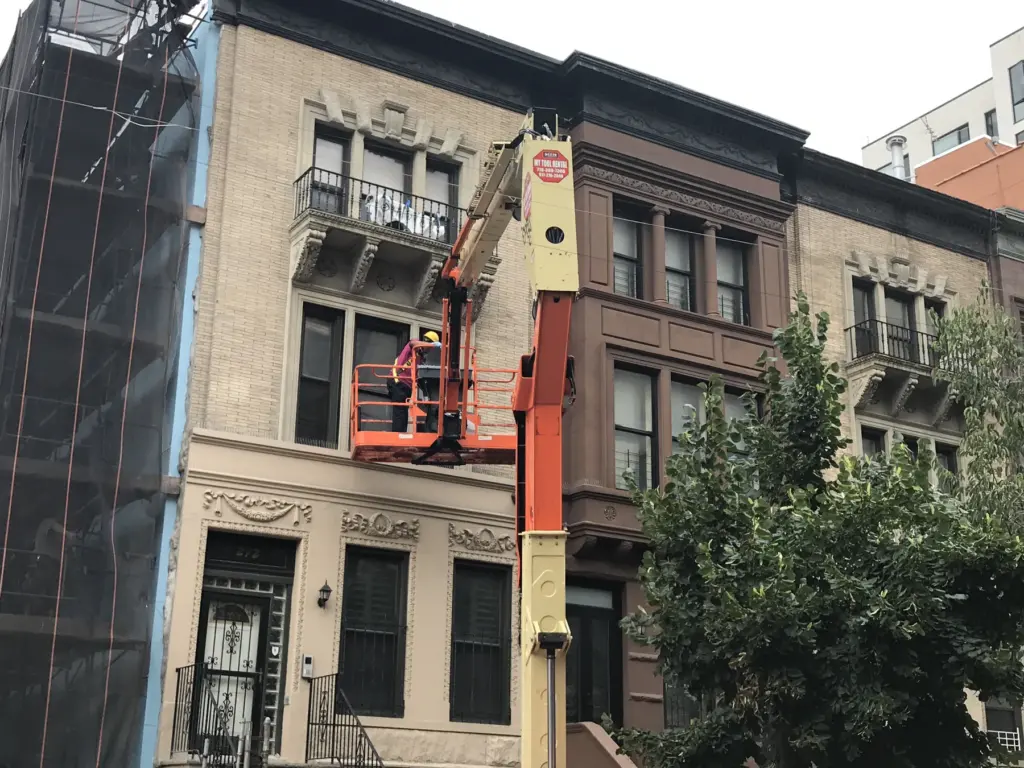
Boom Lift Building Access
Boom lifts can support exterior bird-control work on masonry facades, signs, cornices, and hard-to-reach ledges.
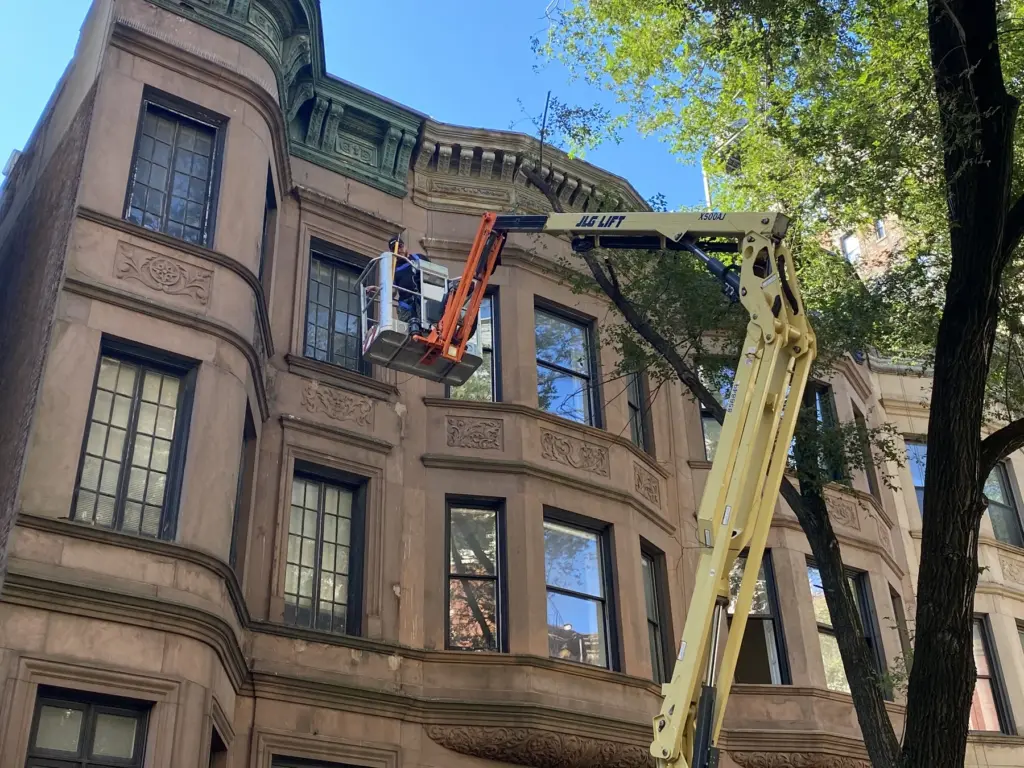
Upper-Floor Installation
High-access work is planned around the building frontage, sidewalk conditions, tenant areas, and the exact bird-pressure location.
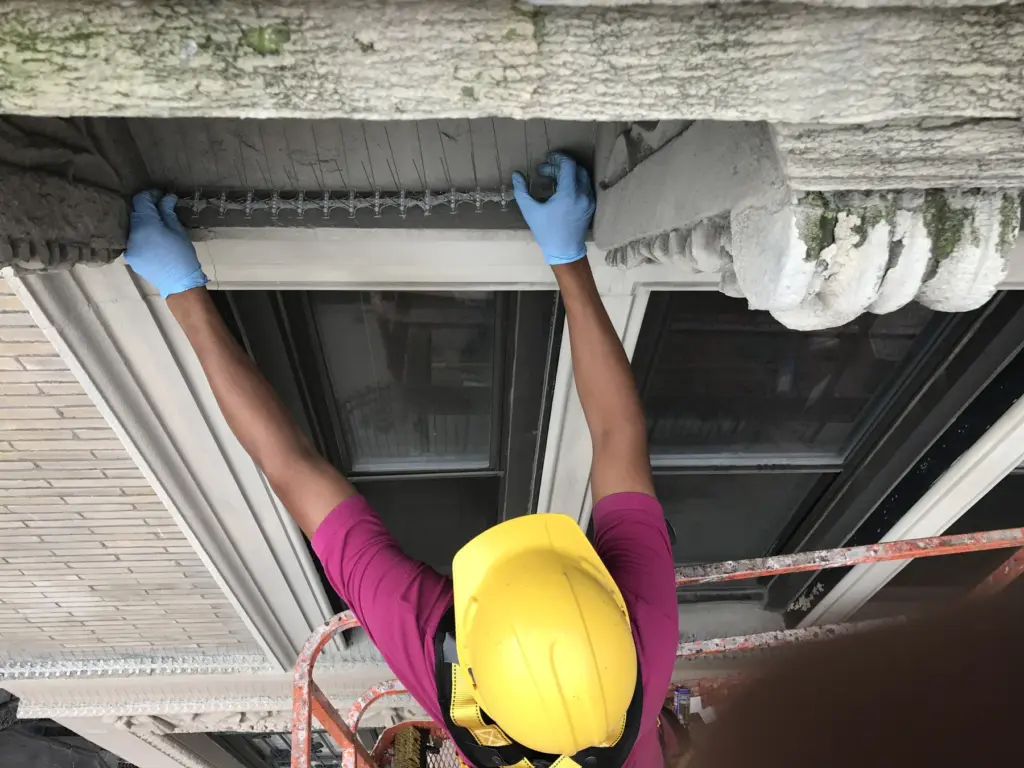
Lift-Based Spike Installation
Technicians install spikes and deterrents by hand so the placement follows the ledge and facade detail.
Recent Comments