High-rise bird mitigation
High-Rise Bird Control for NYC Properties
Bird Control NYC helps commercial towers, condos, co-ops, hotels, mixed-use buildings, and managed properties evaluate bird pressure around parapets, setbacks, terraces, facade details, mechanical levels, rooftops, bulkheads, signage, and difficult-access ledges.
NYC vertical access
High-rise bird control is an access and planning problem first.
Birds use height, shelter, and repeated routes. On high-rise buildings, pigeons may settle near roof edges, terraces, mechanical screens, signage, fire escapes, facade setbacks, bulkheads, or ledges that are hard to inspect from the ground. A dirty sidewalk, window ledge, or terrace may be the symptom, while the real pressure point sits several stories above it.
High-rise bird control has to consider how the work will be reached, what the building allows, whether lift or specialty access coordination is needed, and how the plan will be communicated to management, ownership, tenants, boards, supers, and maintenance teams.
High-rise pressure points
- Parapets, terraces, setbacks, roof edges, and mechanical levels.
- Facade ledges, cornices, signs, bulkheads, and pipe rails.
- Sidewalk-facing staining, tenant-facing terraces, and roof-equipment zones.
- Fire escapes, louvers, AC areas, vents, and protected exterior openings.
- COI-ready planning for managed and commercial properties.
Planning process
A high-rise scope should explain the pressure point and the access plan.
1. Locate the active bird area
We identify whether the bird pressure is on a roof edge, facade ledge, terrace, sign band, mechanical level, bulkhead, cornice, or protected opening.
2. Review access requirements
The scope should consider roof access, terrace access, building rules, tenant areas, sidewalk exposure, management approval, lift needs, and COI documentation.
3. Recommend the right deterrent
Spikes, netting, wire, screening, solar guards, exclusion, or combined systems may be used depending on the location, access, appearance, and pressure level.
Deterrent selection
Humane systems can be adapted to difficult-access areas.
High-rise bird deterrents need to be selected carefully because the cost and complexity of access can be significant. A narrow ledge may need spikes or wire. A terrace opening may need netting. A rooftop solar array may need exclusion around the panel edges. A facade gap, louver, vent, or AC sleeve may need screening. A mechanical area may need a combination of deterrents that still allows service access.
The plan should avoid treating only the visible mess. If birds are nesting near a roofline or facade opening but droppings are landing far below, the solution has to target the actual bird pressure point. That means documenting the surface, explaining the route birds are using, and identifying any adjacent untreated areas that may become the next problem.
High-rise methods may include
- Bird spikes for parapets, ledges, signs, rails, and narrow caps.
- Bird netting for terraces, mechanical areas, and protected openings.
- Solar panel bird proofing on rooftop arrays.
- Screening or exclusion around vents, louvers, and facade gaps.
- Cleanup coordination before deterrent installation.
Who high-rise work involves
- Property managers, ownership groups, and facility teams.
- Supers, building engineers, and maintenance staff.
- Condo and co-op boards reviewing exterior work.
- Commercial tenants, restaurants, hotels, and retail operators.
- Residents affected by terraces, balconies, ledges, or droppings below.
Communication matters
High-rise bird control needs clear documentation for decision-makers.
On a managed building, several people may need to understand the issue before work is approved. A good recommendation should describe the bird behavior, the affected surface, the proposed deterrent, the access assumptions, and any coordination needs. That helps managers, boards, owners, and tenants understand why the scope is focused where it is.
Clear documentation also reduces confusion when the visible mess is not directly beside the bird pressure point. Droppings may affect a sidewalk, entrance, lower terrace, courtyard, or sign even though the active ledge is higher up. Photos and plain-language notes help connect the symptom to the source.
When to act
Some high-rise bird issues should be reviewed before complaints spread.
High-rise bird pressure can create visible staining, tenant complaints, sidewalk concerns, restaurant or retail issues, roof-equipment problems, or recurring maintenance calls. When droppings keep returning after cleanup, birds are nesting near a facade detail, or tenants report repeat activity on terraces or setbacks, prevention should be reviewed before the condition spreads to neighboring surfaces.
Photos can start the process. Send wide building context, close-ups of the ledge or area when available, droppings below, bird activity if visible, and notes about roof, terrace, or management access. If the area is hard to photograph from the ground, include the best available angles and describe where the birds are seen.
Request a high-rise bird-control review.
Send photos of the facade, roofline, terrace, parapet, sign, fire escape, mechanical area, droppings, and any access notes. Include borough, property type, approximate height, and management requirements.
Related high-rise surfaces
High-rise bird control connects to rooftop, facade, solar, and property-management work.
Birds using a high-rise may move between rooftop parapets, facade ledges, setbacks, balconies, terraces, signs, solar arrays, mechanical levels, vents, and exterior openings. A complete plan should identify the active surfaces and link the high-rise scope to rooftop bird control, facade bird control, pigeon control, netting, spikes, solar bird proofing, and property-management documentation when needed.
Rooftop Bird Control NYC | Facade Bird Control NYC | Property Management Bird Control NYC | Pigeon Control NYC | Bird Netting NYC | Solar Panel Bird Proofing NYC | Bird Nesting Prevention
Before and after placeholders
High-rise projects should document both access and results.
Replace these placeholders later with actual project photos. Strong high-rise proof shows the affected ledge or facade detail, the visible droppings or staining below, and the finished deterrent or exclusion. Notes about access, property-management coordination, and the treated surface make the work easier to understand.
Trust signals that matter
- Humane deterrent and exclusion planning.
- High-rise, roof, facade, and terrace awareness.
- COI-ready support for managed properties.
- Property-management friendly documentation.
- Commercial, residential, co-op, condo, and mixed-use scopes.
Questions
High-Rise Bird Control FAQ
What makes high-rise bird control different?
Access, documentation, building rules, appearance, and coordination are usually more important. The solution must target the active bird surface while fitting the building’s access and management requirements.
Can high-rise bird control be done for co-ops and condos?
Yes. Co-op and condo work often involves managers, boards, supers, residents, COI documentation, and clear scope notes before work is approved.
Do high-rise jobs always need netting?
No. Some ledges need spikes or wire, some openings need exclusion, some terraces need netting, and some roof areas need solar guards or combined deterrents.
What photos help with a high-rise estimate?
Send wide building context, close-ups when possible, droppings below, where birds are seen landing or nesting, approximate height, access notes, and management requirements.
Related bird control services
Rooftop Bird Control NYC | Facade Bird Control NYC | Property Management Bird Control NYC | Pigeon Control NYC | Bird Spikes NYC | Bird Netting NYC | Solar Panel Bird Proofing NYC | Bird Nesting Prevention | All Bird Control Services
Access and Installation Proof
Power Lift and High-Access Bird Control Work
Some NYC bird-control work cannot be handled from a simple step ladder. Facade ledges, upper-floor windows, cornices, signs, and high-access landing areas may require lift planning, site coordination, and careful installation from the correct access point.
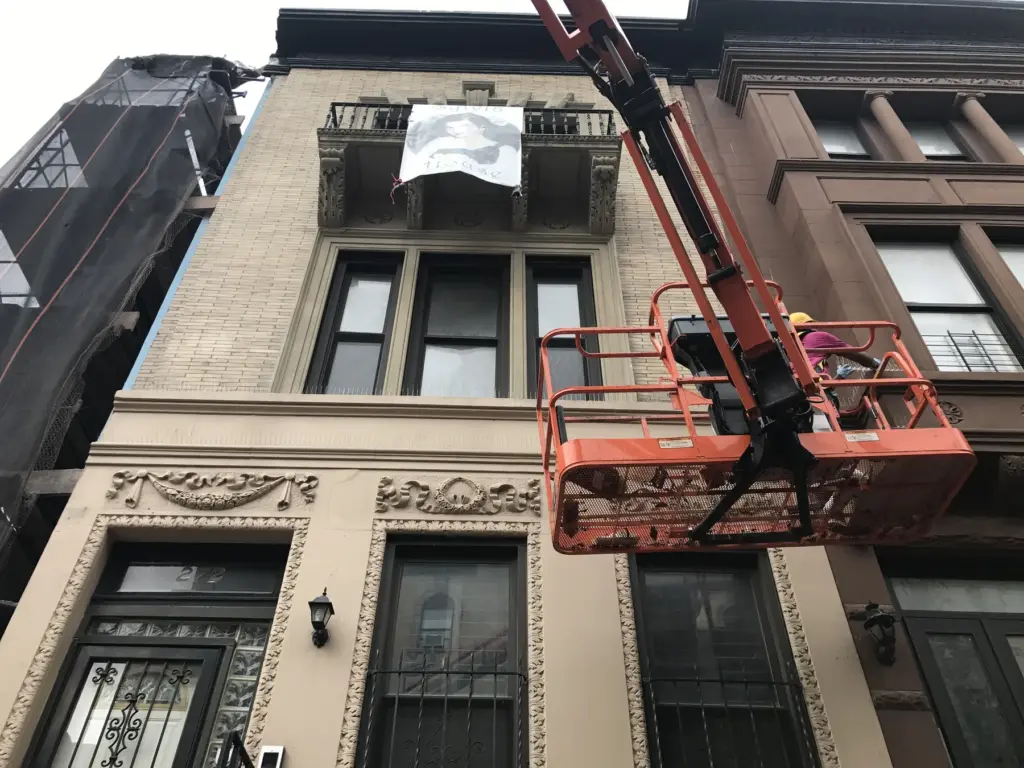
Power Lift Facade Access
Power lift access helps us reach upper facade ledges and landing surfaces that are not safely reachable from inside the building.
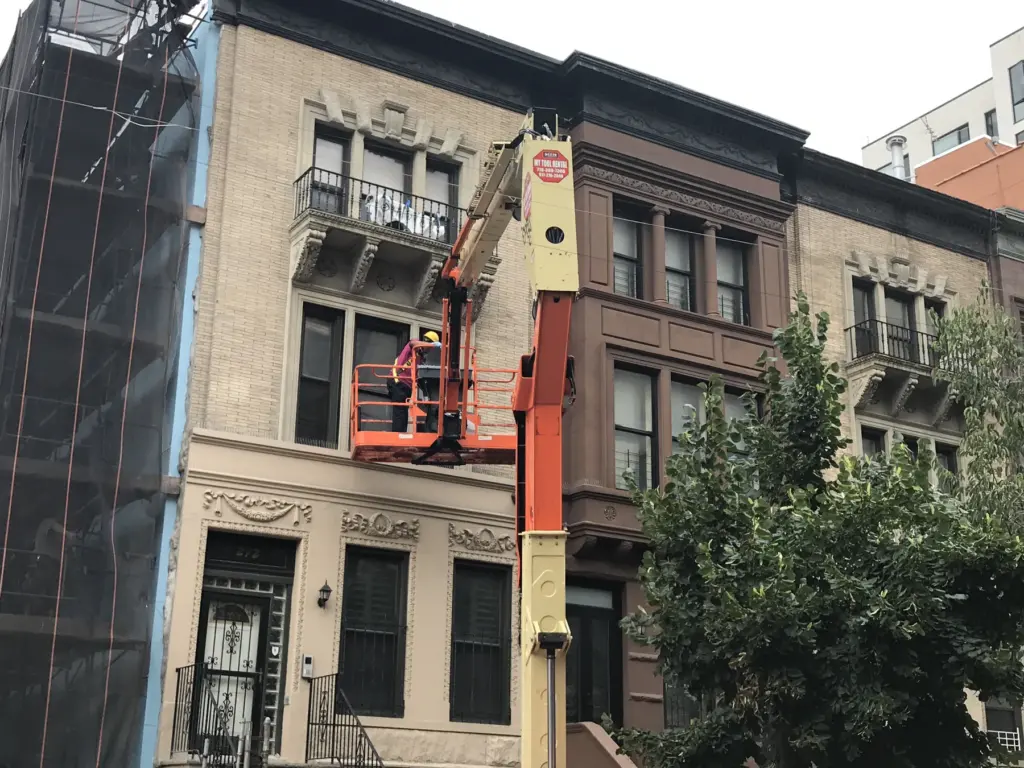
Boom Lift Building Access
Boom lifts can support exterior bird-control work on masonry facades, signs, cornices, and hard-to-reach ledges.
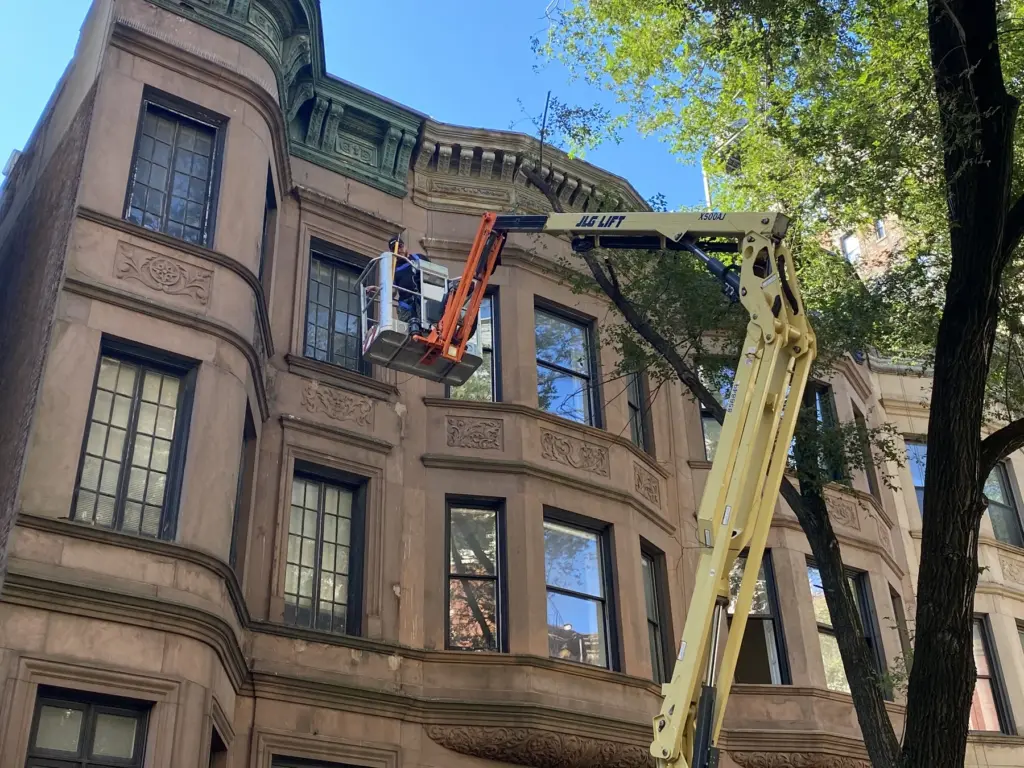
Upper-Floor Installation
High-access work is planned around the building frontage, sidewalk conditions, tenant areas, and the exact bird-pressure location.
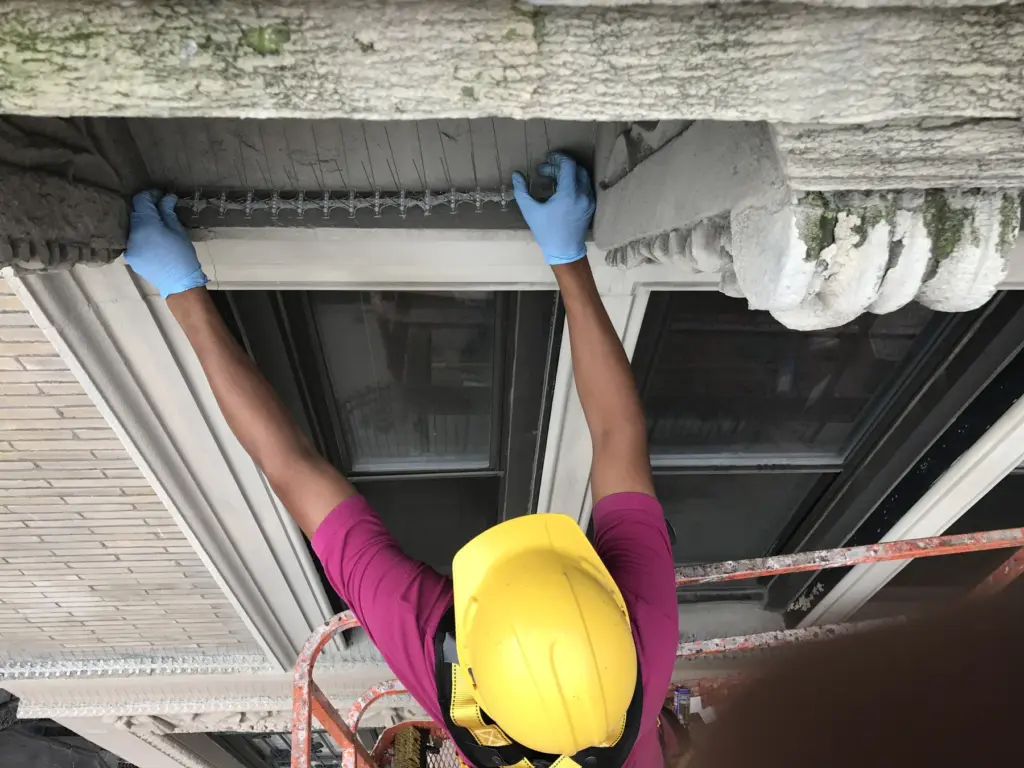
Lift-Based Spike Installation
Technicians install spikes and deterrents by hand so the placement follows the ledge and facade detail.
Recent Comments