
Bird Control NYC local page
Birds in vents, louvers, AC sleeves, and exterior openings in Long Island City.
Bird Control NYC helps Long Island City properties with birds entering or nesting around bathroom vents, dryer vents, kitchen range hood vents, exterior louvers, AC sleeves, soffits, roofline gaps, balconies, terraces, and wall penetrations.
Local coverage
Long Island City bird pressure is shaped by the building, not just the birds.
Long Island City buildings often have dense exterior wall systems, roof equipment, balconies, mechanical openings, restaurant exhaust, laundry exhaust, and newer facade details near older industrial structures. Birds can use very small protected openings when covers are missing, loose, or easy to push open.
Nearby service areas and reference neighborhoods include Hunters Point, Court Square, Queens Plaza, Dutch Kills, Sunnyside, Astoria, Woodside, Maspeth. Every property still needs to be judged by the actual surface birds are using: a vent flap, louver, AC sleeve, chimney cap, parapet, cornice, sign band, balcony, terrace, soffit, roofline gap, loading area, or rear facade opening.
Common calls
Bird problems we expect around Long Island City properties.
Birds in bathroom vents
Bathroom exhaust covers can become entry points when flaps or covers are broken, missing, stuck open, or poorly protected.
Birds in dryer vents
Dryer vent prevention has to preserve airflow while stopping birds from re-entering the exterior opening.
Birds in kitchen vents
Kitchen range hood vents and restaurant exhaust areas need careful protection because airflow and sanitation both matter.
Birds in louvers
Exterior louvers can give sparrows and starlings a protected pocket, especially on mechanical walls and mixed-use buildings.
Birds around AC sleeves
Through-wall AC sleeves and window AC units may leave protected gaps around brackets, ledges, and wall openings.
Birds in roofline gaps
Small gaps near soffits, fascia, parapets, bulkheads, and facade details can create repeat nesting activity.
What we look for
Small openings can create repeat bird activity.
Many bird calls start with one visible symptom: chirping in a wall, droppings below a vent, debris under an AC unit, birds landing around a roofline, or nesting material sticking out from a small gap. The fix depends on finding the exact point birds are using and protecting it without blocking airflow, drainage, access, or building function.
For managed buildings, restaurants, co-ops, condos, rental properties, and commercial spaces, a good plan should also consider tenant complaints, sidewalk exposure, cleaning cycles, access scheduling, and whether the work needs to be documented for a board, owner, or property manager.
Process
A practical local inspection and prevention process.
- Review photos or inspect the condition. We look for the opening, landing surface, nesting material, droppings, and the route birds are using.
- Confirm the bird pressure. Pigeons, sparrows, and starlings behave differently, so the deterrent or exclusion method should match the species and surface.
- Check for active nesting. Active nests, eggs, and young birds must be handled properly and in accordance with applicable wildlife rules.
- Plan access. NYC jobs may involve roof access, rear yards, fire escapes, terraces, ladders, building staff, management approval, or COI requirements.
- Install prevention. Depending on the condition, we may recommend vent covers, screening, hardware cloth, exclusion mesh, sealant, spikes, netting, shock track, gel deterrent, or cleanup followed by prevention.
Questions
Long Island City Birds in Vents FAQ
Can I send photos before scheduling?
Yes. Photos are often the fastest way to start. Send the affected surface, a wider building view, close-ups of droppings or nesting material, and any visible opening or bird route.
Do you handle residential and commercial properties?
Yes. Bird Control NYC helps homeowners, renters, landlords, supers, co-op boards, condo managers, restaurants, storefronts, warehouses, and commercial property teams.
Can you handle pigeons, sparrows, and starlings?
Yes. Pigeons are common on ledges, solar panels, parapets, rooftops, balconies, and signs. Sparrows and starlings often use tighter openings such as vents, louvers, soffits, fascia gaps, and small wall penetrations.
Is the work humane?
Yes. We focus on humane deterrents, exclusion, cleanup, and prevention. Active nesting conditions are reviewed carefully before removal or exclusion recommendations are made.
Send photos first
Get a practical bird control recommendation for Long Island City.
Send wide photos, close-ups of the opening or landing surface, the building type, floor or roof access notes, and where droppings, noise, or nesting material are showing up. Bird Control NYC can review the condition and explain the next practical step.
Vent and Opening Work
Bird Nesting Prevention for Vents, Louvers, AC Areas, and Exterior Openings
Birds often use small protected openings that are hard to see from the ground. We inspect the entry point, remove nesting material where legally appropriate, and install vent covers, screening, or exclusion materials when conditions allow.
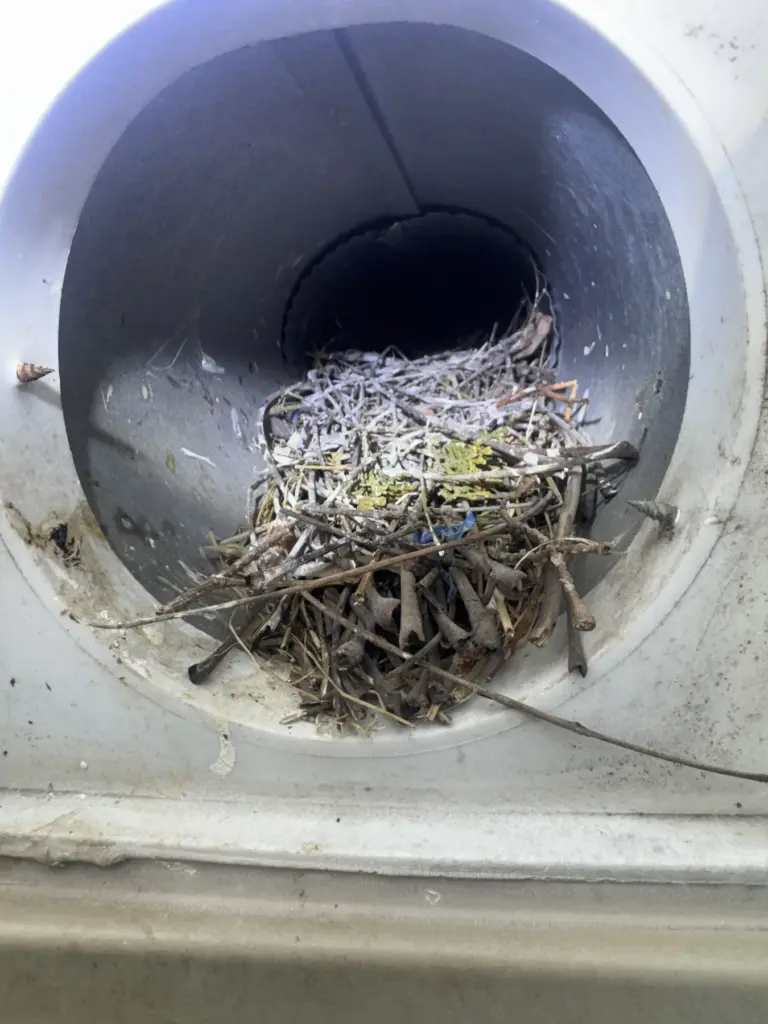
Nesting Inside a Vent
Nest material inside an exterior vent can restrict airflow and cause repeated bird activity.
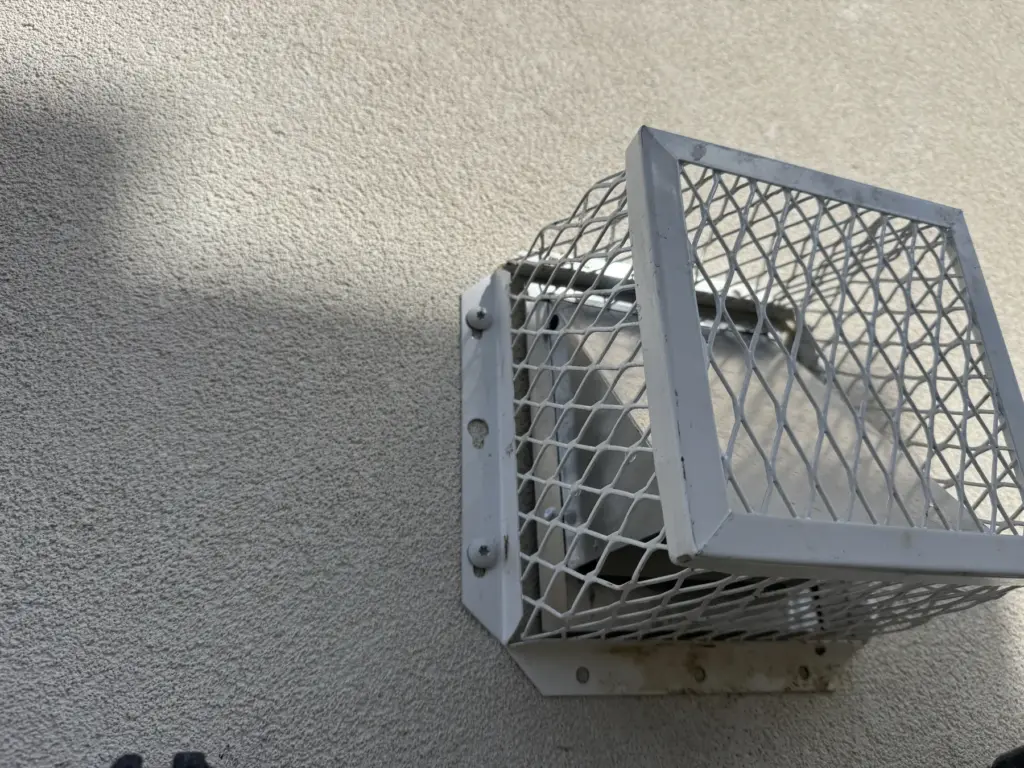
Exterior Vent Guard
A fitted guard helps protect the opening while keeping proper ventilation in mind.
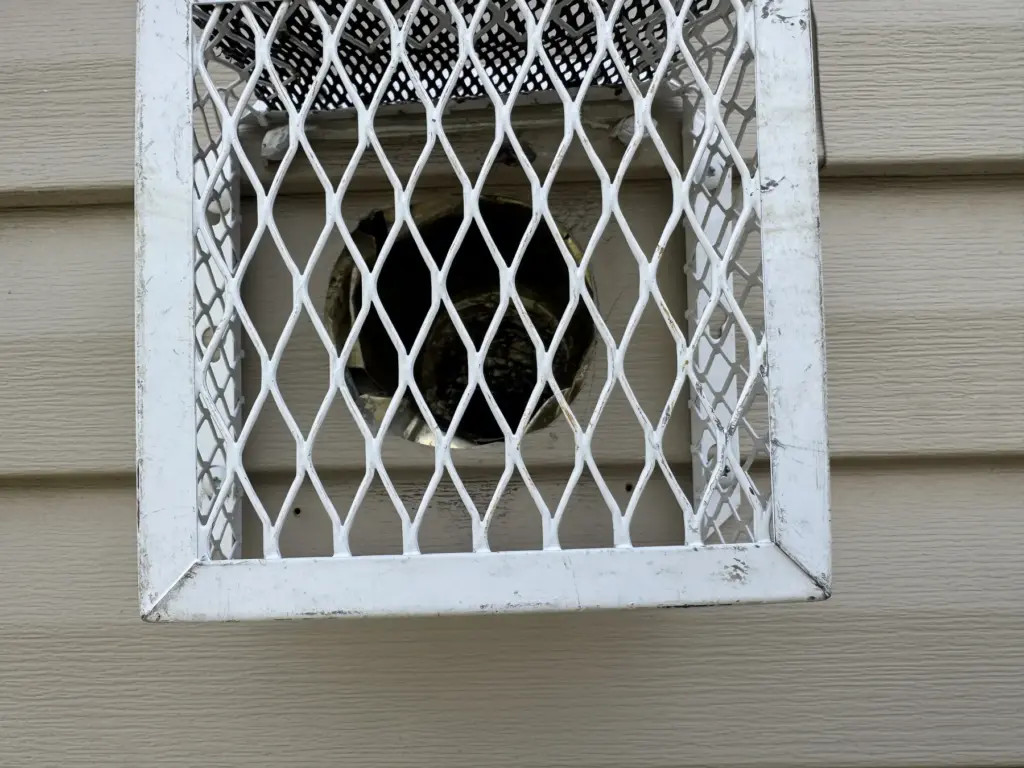
Louver Screening
Louvers and exterior openings may need screening when birds are entering or nesting behind them.
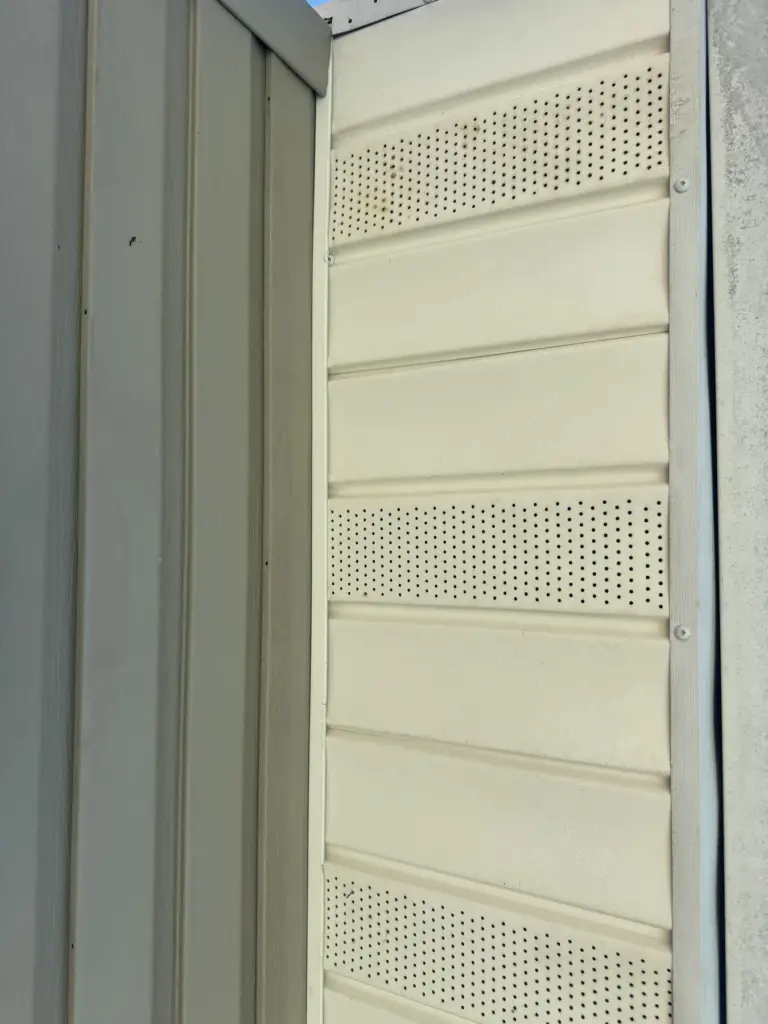
Exterior Opening Exclusion
Screening or exclusion material helps prevent birds from returning to the same protected gap.
Recent Comments