
Bird Control NYC service page
Birds in kitchen range hood vents need prompt, careful exclusion.
Bird Control NYC helps homeowners, tenants, landlords, supers, co-op boards, condo managers, restaurants, and commercial property teams across Manhattan, Brooklyn, Queens, Long Island City, the Bronx, and Staten Island with birds nesting in kitchen range hood vents, kitchen exhaust covers, restaurant exhaust openings, and exterior wall vents. These calls are common on apartment buildings, brownstones, mixed-use properties, storefronts, rooftops, rear facades, terraces, and older exterior walls where birds can find a protected opening.
Why birds use kitchen range hood vents
Kitchen range hood vents can become nesting locations when an exterior flap, cover, hood, or louver is damaged, missing, or easy for birds to enter. Restaurants, mixed-use buildings, storefronts, and residential kitchens can all have exposed exhaust openings that attract birds.
Because kitchen exhaust is tied to ventilation and sanitation, the fix should be planned carefully. The goal is to prevent bird entry without blocking exhaust function or creating a maintenance issue.
Common signs of activity
- Birds entering a kitchen exhaust opening or exterior hood.
- Nesting debris near a range hood vent.
- Droppings below the vent or storefront wall.
- Odor, noise, or weak exhaust performance.
- A broken or missing exterior cover.
- Birds landing on nearby signs, awnings, ledges, or pipes.
Where we usually find the problem
We often see bird activity around kitchen vents on rear restaurant walls, storefront facades, mixed-use buildings, apartment kitchens, roofline exhaust openings, courtyards, alleys, and commercial properties with exterior vents near ledges or signs.
On NYC buildings, the visible mess is not always the source. Droppings on a sill, balcony, fire escape, roof surface, sidewalk, or rear yard may be coming from a ledge, parapet, vent, louver, soffit, AC sleeve, chimney opening, or roofline gap above the affected area.
Why this should be handled carefully
Nesting material around a kitchen exhaust opening can restrict ventilation, create odor, attract repeat bird activity, and raise sanitation concerns. The exterior opening and surrounding surface should be inspected before a cover or exclusion material is installed.
Active nests, eggs, and young birds must be handled properly and in accordance with applicable wildlife rules. Bird Control NYC inspects first, explains what we find, and recommends the proper next step based on the bird activity, access, and structure.
Our inspection and prevention process
- Review photos or inspect the area: We look at the opening, surrounding surface, droppings, nesting material, and access conditions.
- Identify the access point: We confirm whether birds are landing nearby, nesting inside, or entering through a gap.
- Check for active nesting: Timing and handling matter when nests, eggs, or young birds are present.
- Remove material where appropriate: Accessible nesting material and debris can be removed when legally appropriate and conditions allow.
- Install prevention: We recommend a cover, screen, guard, mesh, sealant, deterrent, or repair option that fits the building condition.
Prevention options
Prevention may include bird-proof vent covers, screening, hardware cloth, custom mesh, louver protection, sealant for surrounding gaps, or deterrents on nearby ledges, signs, beams, or facade details.
The goal is to stop re-entry while preserving building function. Vents still need airflow, downspouts need drainage, AC units need ventilation, chimneys must remain safe and code-appropriate, and exterior materials should not be damaged by the wrong installation method.
Serving the five boroughs and Long Island City
Bird Control NYC provides this service across Manhattan, Brooklyn, Queens, Long Island City, the Bronx, and Staten Island. We work with residential buildings, mixed-use properties, commercial buildings, restaurants, warehouses, storefronts, co-ops, condos, supers, landlords, and property managers.
Common access conditions vary by borough. Manhattan buildings may involve high-rise facades, roof bulkheads, parapets, and terraces. Brooklyn and Queens calls often involve brownstones, row houses, storefronts, mixed-use buildings, and rear elevations. Long Island City properties may involve newer multifamily buildings, rooftops, balconies, commercial spaces, and mechanical areas. Bronx and Staten Island calls often include apartment buildings, residential rooflines, gutters, vents, and solar panel arrays.
Frequently asked questions
Can I send photos first?
Yes. Photos of the opening, the surrounding wall or roofline, droppings below, and any visible birds or nesting material help us understand the likely next step.
Do you handle residential and commercial properties?
Yes. We help homeowners, renters, landlords, supers, restaurants, warehouses, co-ops, condos, storefronts, and managed buildings.
Can you prevent birds from coming back?
The goal is to identify the exact surface or opening birds are using and install the correct exclusion, cover, screening, guard, deterrent, or repair recommendation for that condition.
Do you use humane methods?
Yes. We focus on humane bird deterrents, exclusion, cleanup, and prevention. Active nesting conditions are handled carefully and legally.
Need help now?
Send photos and get a practical prevention plan.
If birds are nesting, entering, or leaving debris around kitchen range hood vents, contact Bird Control NYC. We can review photos, explain likely access points, and recommend a humane exclusion or deterrent option based on the building condition.
Vent and Opening Work
Bird Nesting Prevention for Vents, Louvers, AC Areas, and Exterior Openings
Birds often use small protected openings that are hard to see from the ground. We inspect the entry point, remove nesting material where legally appropriate, and install vent covers, screening, or exclusion materials when conditions allow.
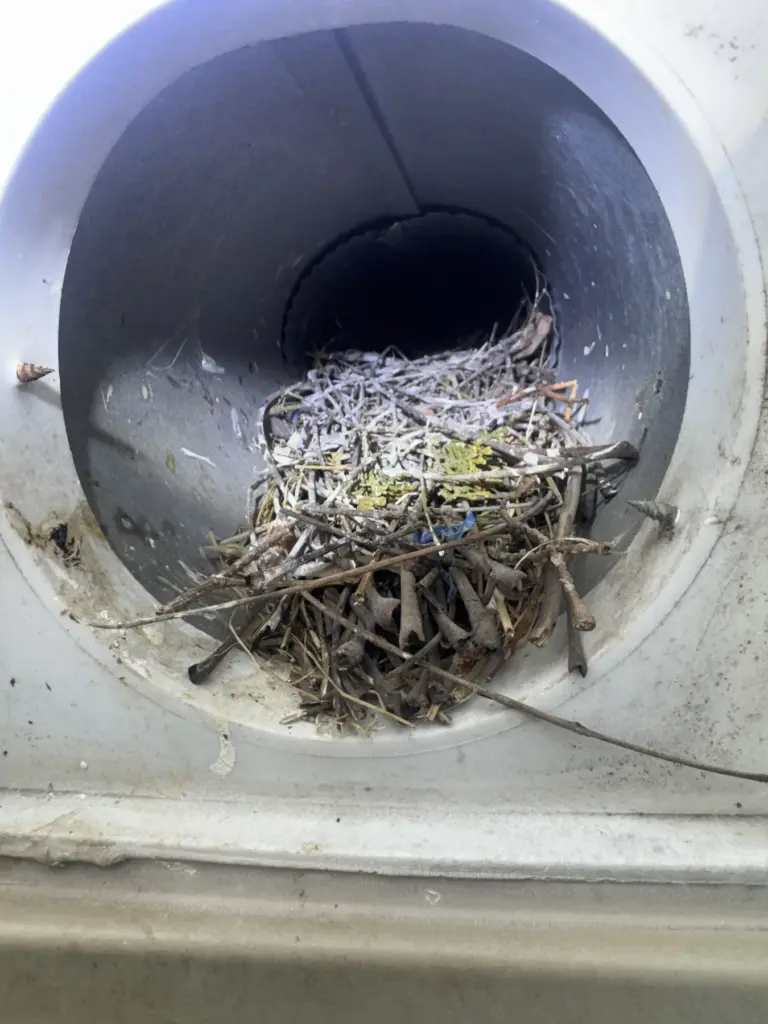
Nesting Inside a Vent
Nest material inside an exterior vent can restrict airflow and cause repeated bird activity.
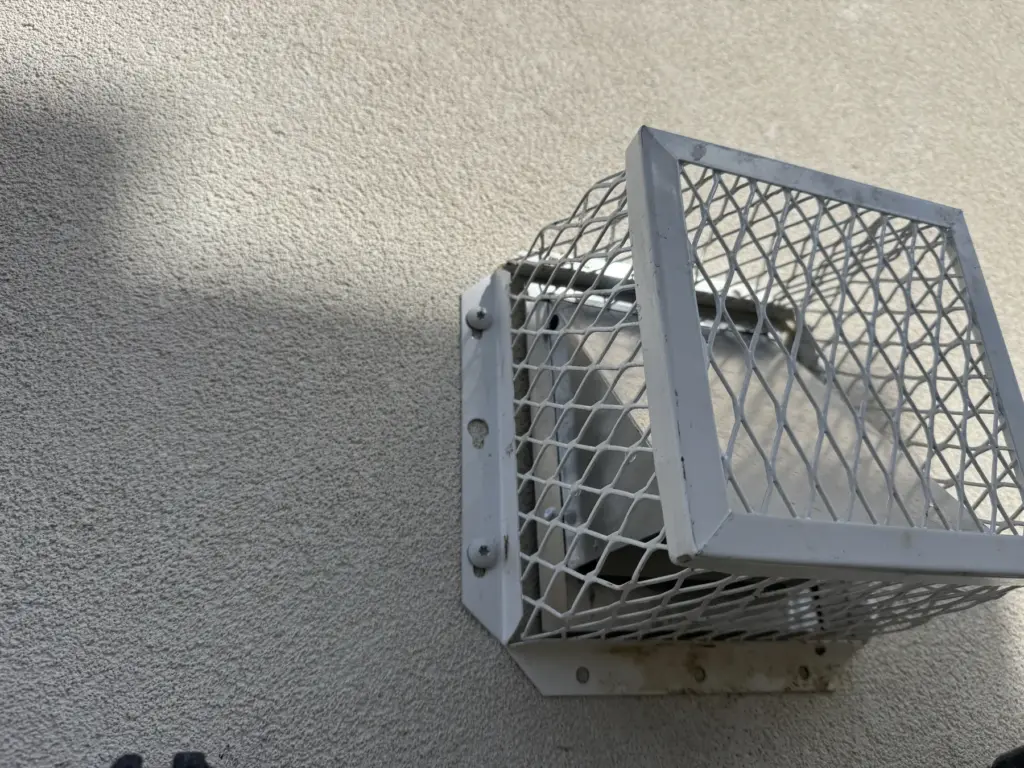
Exterior Vent Guard
A fitted guard helps protect the opening while keeping proper ventilation in mind.
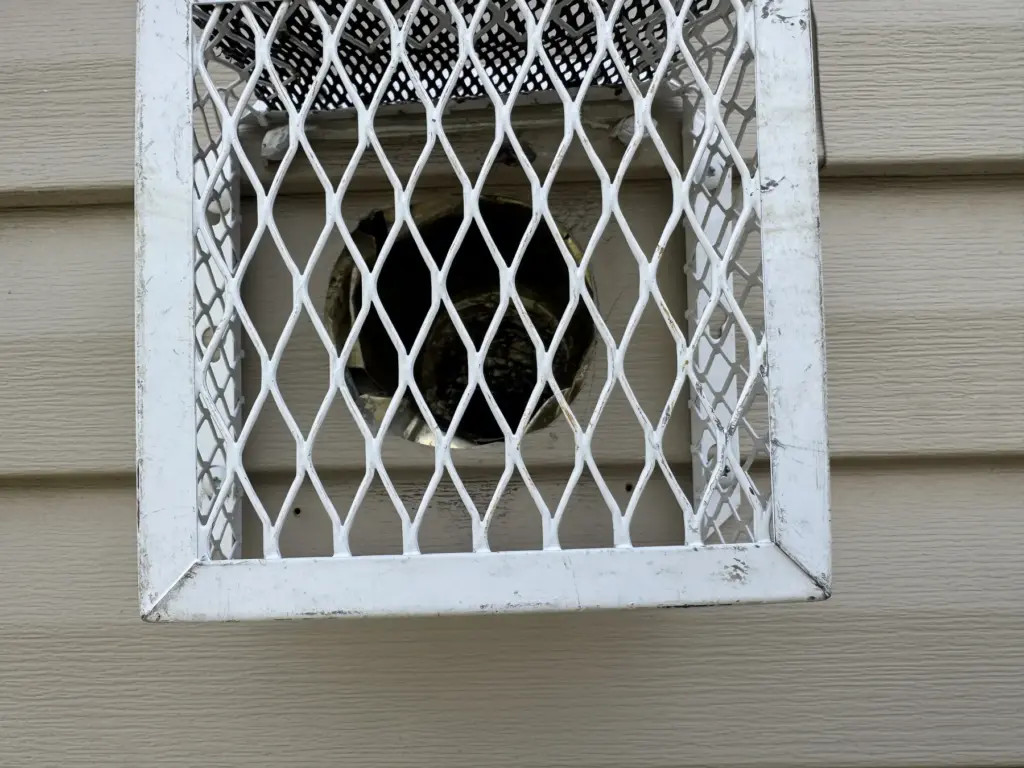
Louver Screening
Louvers and exterior openings may need screening when birds are entering or nesting behind them.
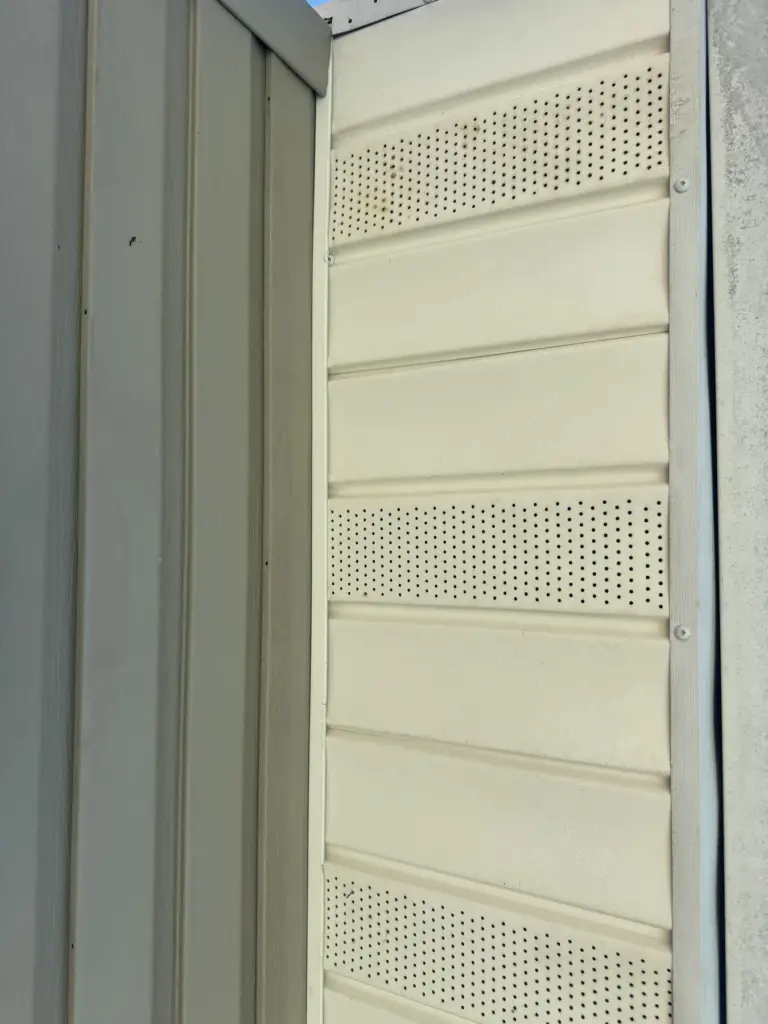
Exterior Opening Exclusion
Screening or exclusion material helps prevent birds from returning to the same protected gap.
Recent Comments